What’s the difference and why it matters
A chimney crown is the concrete, mortar, or stone slab that covers the top of a masonry chimney. A chimney cap is the metal cover with a screen that sits on the flue. The crown keeps water out of the bricks. The cap keeps rain, sparks, and critters out of the flue. Your chimney needs both.

Meet the two parts on top
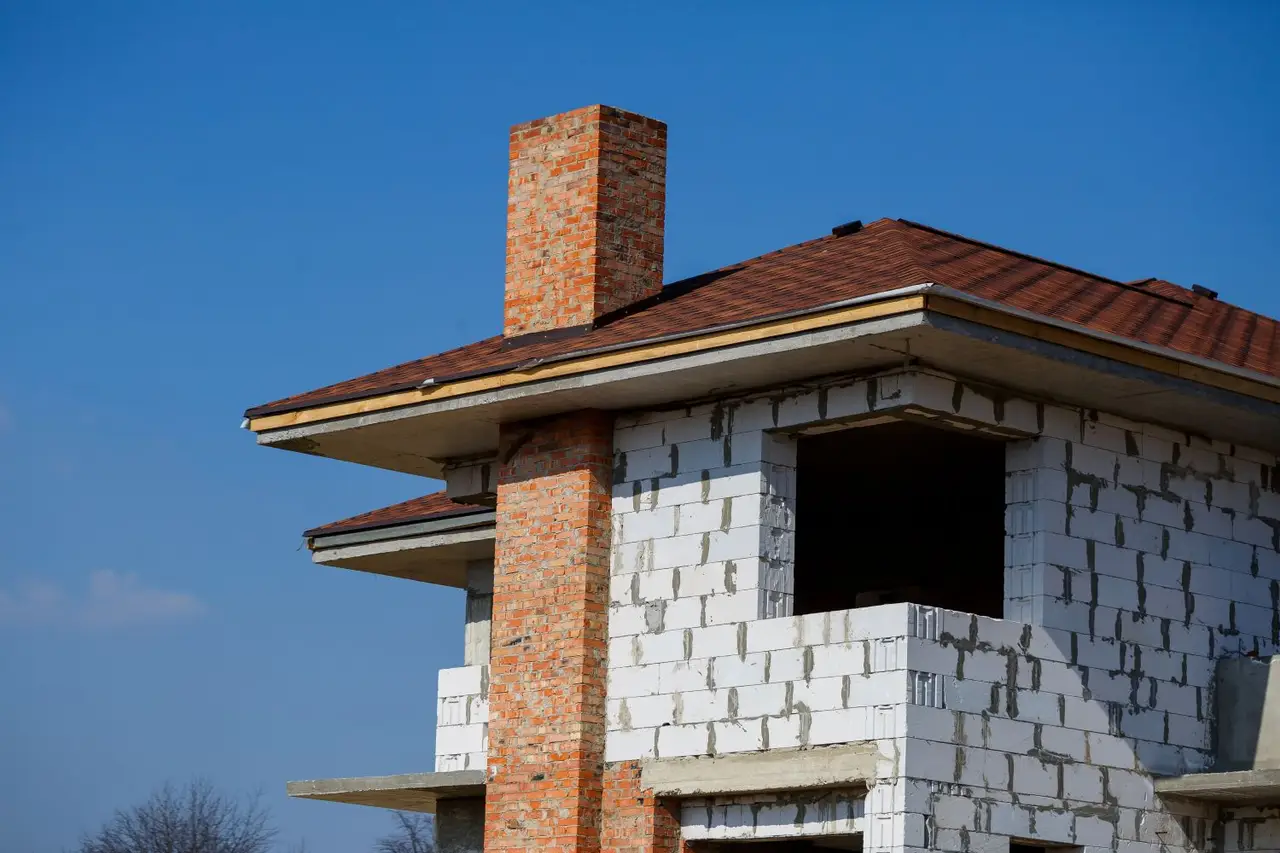
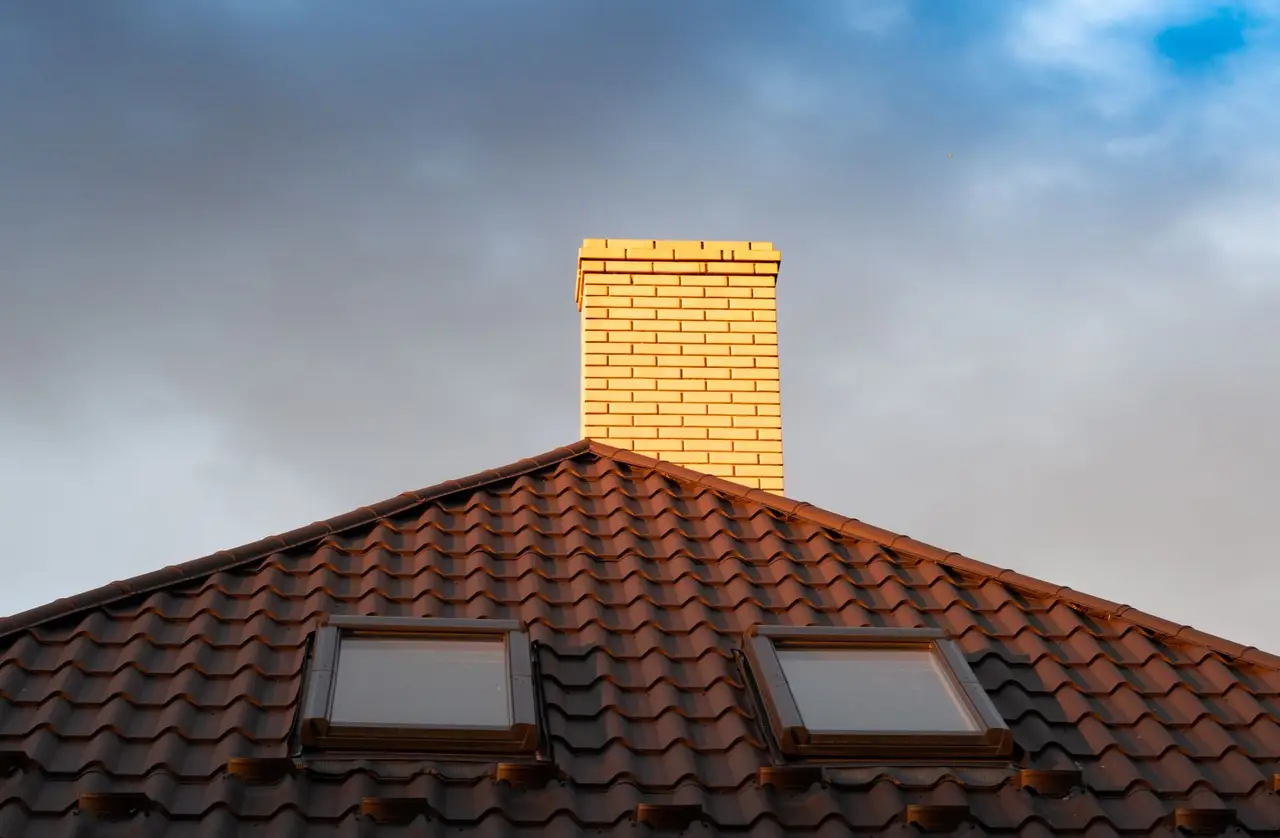
Think of your chimney like a little house. The crown is the roof over the brick walls. It covers the whole top and sheds water. The cap is the hat on the pipe, also called the flue. It has a lid and a screen. That lid blocks rain straight down the pipe. The screen stops birds, squirrels, and big embers. Different jobs, same goal, keep water and junk out while smoke gets out.
Easy ways to tell them apart from the ground
- The crown looks like a slab across the whole top of the brick stack. From the yard, it looks flat with a slight slope.
- The cap looks like a small metal hood on a stand. You will see a cage screen and a lid above the flue tile or metal pipe.
- If you see a big metal sheet over a wood-framed chimney box with one or more pipes poking out, that sheet is a chase cover. The small hood on the pipe is still the cap.
What each part does for your chimney
- The crown sheds water off the brick or stone. It should have a slope and a drip edge so water falls away from the walls.
- The cap blocks rain entry into the flue, stops downdrafts from gusts, catches sparks, and keeps animals out.
- The crown protects the masonry from freeze-thaw and sun. The cap protects the flue tile or metal liner and helps the fire breathe right.
Masonry crown vs factory-built chase cover
Houston has both old brick chimneys and newer factory-built fireplaces in wood chases. The top cover is different:
- Masonry crown, made of concrete or mortar, sits on the brick stack. It should be 2 inches thick or more at the edges, with a drip edge and a slope.
- Chase cover, made of sheet metal, sits over a framed box. It needs a raised collar so water does not leak where the flue sticks out. It should be stainless steel for our humidity.
- Both still use a cap on the flue. The cap mounts to the flue tile on masonry chimneys or to the flue pipe on factory-built units.
Materials that last in Houston weather
- Crowns, best with poured concrete and a bond break over the flue tile. A bond break means the crown does not stick to the tile, which lets each part move without cracking. Fiber-reinforced mixes help cut small cracks. A waterproof top coat extends life.
- Caps, best with stainless steel or copper. Galvanized steel rusts fast in Gulf air and heavy rain. In shaded spots, black powder coat can help with glare and heat, but stainless steel still wins for rust control.
- Chase covers, go with stainless steel. Thin galvanized sheets pit and leak. Water sits near the flue collar and finds even tiny seams.
What we usually see in Houston, TX
- Hairline cracks in crowns on homes off Memorial Drive after long hot summers and that first big rain.
- Rusted caps and chase covers in The Heights where shade keeps metal damp and leaves trap moisture.
- Missing screens after raccoons and grackles nest in spring.
- Water stains on ceilings near the chimney chase after a tropical storm blows rain sideways.
Heat, rain, and humidity in Houston
Sun bakes the crown all day, then a storm cools it fast. That movement opens cracks. Humid air feeds rust on caps and chase covers. Wind-driven rain pushes water under loose lids. Good slope and a drip edge on the crown, plus stainless steel caps and chase covers, cut these problems down.
Signs the crown or cap needs help
- Crown cracks you can see from the yard or with binoculars
- Small ponds on the crown after rain
- Spalling bricks, that means flaking faces near the top
- Water stains inside the firebox after rain
- Rust streaks down the chimney face
- Loose or rattling cap on windy days
- Bird sounds, nests, or strong animal smell in the flue
- Soot streaks near the top bricks, a cap can be missing or too small
A quick chat you may know well
Homeowner: That metal hat is my crown, right?
Tech: Close, but not quite. The crown is the big slab under it. The cap is the hat. You want both, or Houston rain will throw a pool party in your chimney.
How to spot them from the ladder-free zone
Stay on the ground. Use your phone zoom or binoculars.
- Look for a slab across the top. That is the crown. It should stick out past the bricks with a little overhang.
- Look for a metal lid with a screen. That is the cap. It should sit centered over the flue.
- If your chimney is a framed box with siding, the flat metal sheet on top is a chase cover. You still need a cap on the flue pipe.
What each part prevents
- Crown, water soaking into mortar joints, then freeze-thaw cracks on cold nights, plus sun damage over time.
- Cap, rain down the flue, animal nests, sparks on the roof, downdrafts that blow smoke back.
Do you need both?
Short answer, yes. A crown without a cap still lets rain in the flue. A cap without a sound crown still lets water soak the bricks. Water is a chimney’s worst enemy. Stop it at both points.
Install and fit basics
- Crown, should slope from the flue toward the edges. A drip edge cut under the lip helps water drop cleanly. The crown should not touch the flue tile. Leave a small gap with a flexible sealant.
- Cap, size matters. It needs to cover the flue end with a lid that is wider than the flue tile or pipe. The screen should be the right mesh, usually 3/4 inch, to block animals yet let smoke out. For multiple flues close together, a custom multi-flue cap might serve both.
Repair choices that work
- Small crown cracks, clean and seal with a breathable crown coating that sheds water. Avoid thick non-breathable coatings that trap moisture.
- Big crown damage, rebuild the crown with proper slope and a bond break. Do not smear mortar over an old broken crown. That is a band-aid on a leaky roof.
- Rusted caps, replace with stainless steel. A loose cap can scrape the flue tile and cause draft problems.
- Bad chase covers, replace with hemmed stainless steel with a raised collar and welded corners. Add a proper cap on each pipe.
Troubleshooting guide
- If you see water in the firebox after rain, check for a missing cap or a cracked crown. Call for an inspection before the next storm.
- If smoke blows back on windy days, the cap may be wrong size or crushed. Pick a wind resistant style sized to the flue.
- If birds or squirrels keep coming back, the screen may be missing or too wide. Install a cap with the right mesh and a secure skirt.
- If bricks near the top are flaking, the crown may be flat or broken. Rebuild with slope and add a drip edge.
- If rusty streaks run down the siding on a chimney chase, the cover or cap is rusting. Upgrade to stainless steel.
- If you smell a wet campfire after a storm, rain is getting in. Check cap fit and crown cracks. Waterproof the crown.
Common myths and truths
- Myth – A cap hurts your draft. Fact – A right cap blocks gusts and helps a steady draft.
- Myth – The crown is just for looks. Fact – The crown is a roof for your chimney. It stops water from soaking the stack.
- Myth – Any screen will do. Fact – Mesh that is too fine clogs with soot. Mesh that is too wide lets birds in.
- Myth – A tube of silicone fixes crown cracks for good. Fact – Flexible sealants help small joints, but crowns need slope, mass, and a water shed coat.
DIY checks you can do safely
- After rain, shine a light up the firebox. Any drips or water stains need attention.
- Step back and scan the top with binoculars. Look for a flat crown with no slope, missing overhang, or ponding.
- Watch the cap in wind. If it rattles, a fastener may be loose or the base may be corroded.
- Check the firebox floor. Bits of tile or rusty flakes can mean trouble up top.
When to stop and call a pro
Working on roofs is risky. Chimney tops have slick soot and odd slopes. If you see cracks, rust, or wobble, call for help. A trained tech can test draft, check the liner, measure clearances, and fix the top parts the right way. This avoids guesswork at height.
Moisture paths you can miss
- Hairline cracks in a crown pull in water by capillary action. Then sun turns that water to steam and grows the cracks.
- A cap mounted tight to a flue tile with no drip edge can pool water on the crown.
- On factory-built chases, a flat chase cover lets water sit by the flue collar, which leaks into the chase walls.
What lasts longer in our area
- Stainless steel caps and chase covers fight rust in Gulf air
- Concrete crowns with fiber and a breathable sealant
- Caps with spark arrestor screens that meet common code needs
- Multi-flue caps on wide masonry chimneys to cover both tiles with one lid
How weather shifts play a role
- Heat, crowns expand. Storm cooldown, crowns shrink. That cycle leads to cracks if the mix is weak or the crown is too thin.
- Rain, caps take the hit. Heavy downpours on I-10 can push water sideways. A taller lid and proper skirt help.
- Humidity, metal sweats. Thin coatings can peel. Stainless holds up longer.
A short homeowner story
Mike near The Heights thought he had a roof leak. Every big rain, water showed up by the fireplace. The roof was fine. The cap was rusted through on the back side, and the crown was flat with a puddle mark. New stainless cap, fresh sloped crown, and a clear drip edge fixed it. No more drip, and the first cold snap was a clean burn, no smoke in the room.
How crowns and caps help your fire burn better
- A cap cuts crosswinds that can push smoke back down the flue.
- A dry flue heats up faster. Warm flues draft better. A wet flue drafts poorly and smells like a wet log pile.
- Keeping critters out keeps the flue clear. Nests choke draft and can spark a fire.
Care schedule you can stick to
- Weekly in burn season, glance at the firebox and damper. Look for drips, soot chunks, or odd smells after rain.
- Monthly, from the yard, scan the top with binoculars. Check that the cap is straight and the crown is clean and dry.
- Yearly, book a level-appropriate inspection and sweep before you burn. Ask to check crown slope, crown seal, cap fit, and chase cover seams. In Houston, many folks use their fireplace less, but storms hit hard, so keep the yearly check.
What replacement looks like
- Crown rebuild, remove loose material, form a new edge with slope, keep a gap at the flue with a flexible joint, and add a breathable crown coat.
- Cap swap, remove rusted unit, clean the flue top, size a new cap to the exact inner and outer flue size, and mount with non-corroding fasteners.
- Chase cover upgrade, measure the chase top, build a sloped stainless cover with a raised collar, seal with long-life gaskets, and cap the flue.
Why multi-flue caps are handy
Many masonry chimneys have two flues, one for the fireplace and one for a heater. Two single caps can be tight and less tidy. A single wide cap covers both, sheds water off the crown, and keeps the look clean. It also protects the crown from splash-back.
Animal and spark control
- A proper screen keeps out birds and squirrels without trapping soot.
- Spark arrestor screens help catch embers. That matters when you have live oaks and dry leaves on a windy night.
- Keep kids and pets away from the firebox when testing draft. Safety first.
Simple tests you can do from the room
- On a dry day, hold a lit match near the damper with the flue open. Flame should pull up. If not, a cap or flue issue may be in play.
- After a storm, sniff for a damp smoke smell. That is a clue of rain entry.
- Peek up with a flashlight. If you see daylight but no lid outline, the cap may be missing.
When cap style matters
- High wind areas near open fields need a cap that breaks gusts without choking draft.
- Tall chimneys near taller roofs can see downdrafts. A taller cap skirt can help.
- Gas logs need caps that meet maker specs. Wrong cap can slow venting.
Quick buying tips without climbing on a roof
- Pick stainless steel or copper. Skip thin painted caps that rust fast.
- Measure the inside and outside of the flue tile. Accurate measurements ensure proper fit.
- If you have a round pipe, get a cap made for that brand and pipe size.
What hurts crowns and caps the most
- Power washing the crown at full blast, it opens pores and speeds damage
- Painting the crown with non-breathable paint, it traps moisture
- Using chimney as a shelf for lights, anchors can crack the crown
- Letting vines grow up the stack, roots and moisture get trapped
FAQs
Q: Do I need both a crown and a cap
A: Yes, the crown keeps water off the masonry. The cap keeps water and critters out of the flue. They solve different problems.
Q: How long should a chimney crown last in Houston
A: A well built concrete crown with a slope and a good seal can last many years. Heat and storms wear it down faster if the mix is thin or flat.
Q: What is the best metal for a chimney cap here
A: Stainless steel is the go-to for our humidity. It fights rust and holds up in storms. Copper lasts too and looks nice.
Q: Can I waterproof a crown myself
A: You can use a breathable crown seal made for masonry on small cracks. Large cracks or a flat, broken crown need pro repair.
Q: My cap is rattling, is that dangerous
A: A loose cap can scrape the flue, let in rain, and spark draft issues. Get it secured or replaced soon.
Q: Birds keep coming back every spring, what stops them
A: A cap with the right mesh and a snug fit keeps birds out. Remove old nests and clean the flue so they do not smell a home.
Q: Is a chase cover the same as a crown
A: No. A chase cover is a metal lid for a framed chimney chase. A crown is masonry on a brick chimney. Both still need a cap on the flue.
Q: When should I get an inspection
A: Once a year is smart. In Houston, do it before the cool season or after any big storm if you saw leaks or stains.
Ready to keep your chimney dry and drafty in the right way?
Same Day Chimney Sweep Service & Repair can inspect, clean, fix crowns, swap caps, and stop leaks for homes across Houston. Call 346-644-6624 or visit https://samedaychimneysweepserviceandrepair.com to book fast service that keeps water out, smoke moving up, and critters away.