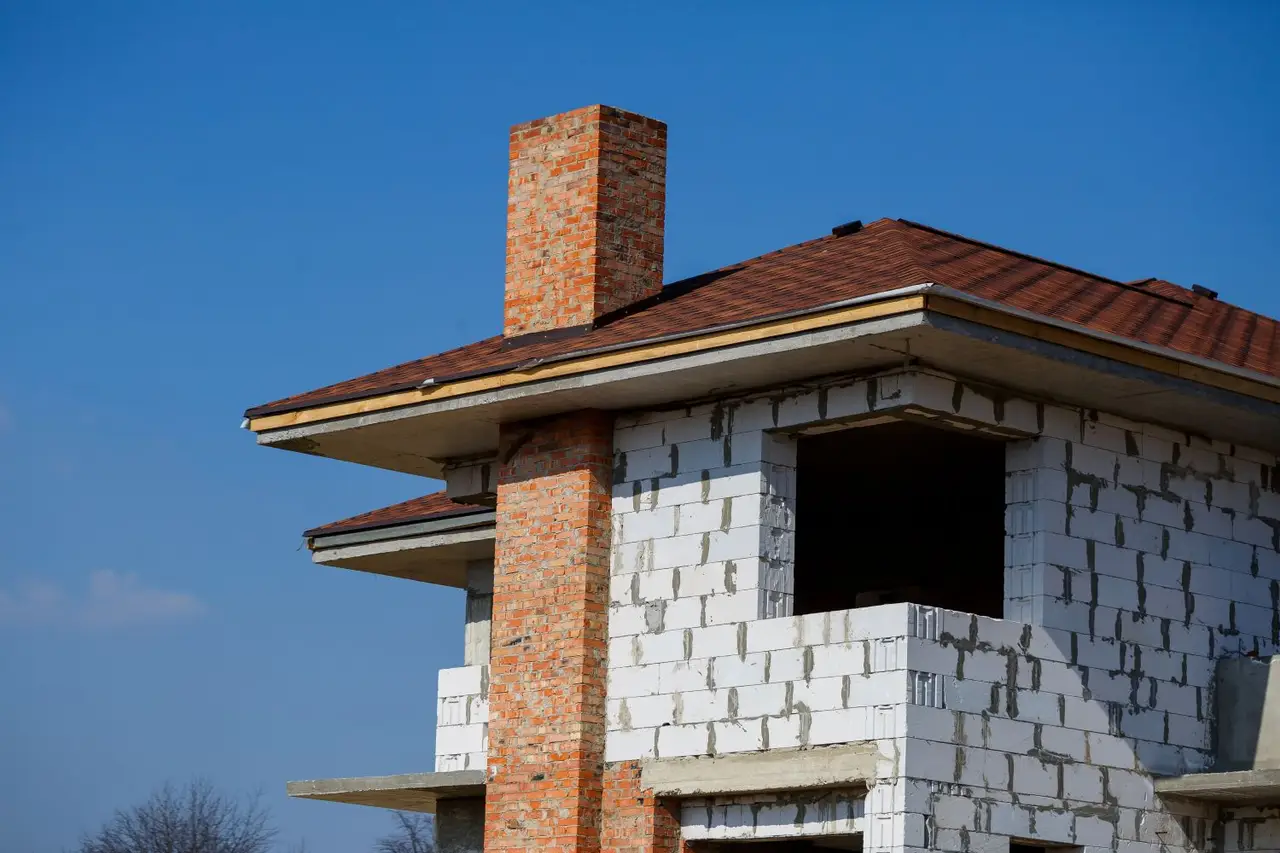
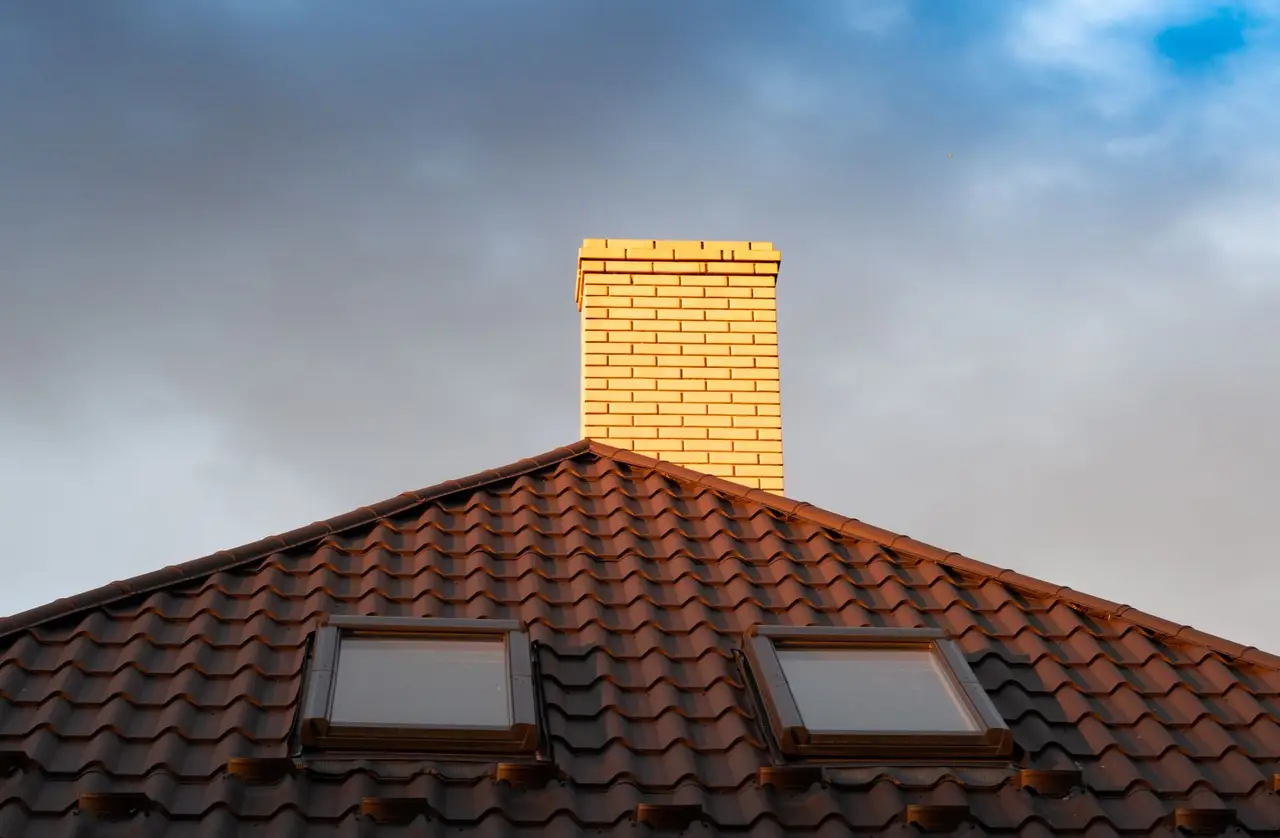
Chimney refacing materials come down to four common picks, tile, stone, brick, and panels. Each one can look great, but they act different around heat, soot, and Houston humidity. Tile is clean and modern, stone feels rugged, brick stays classic, and panels install fast. The best choice depends on where the material goes, the heat it will face, and how much cleaning you want to do after a cozy fire.

What “refacing” means for a chimney or fireplace
Refacing is like putting a new jacket on an old friend. The fire still burns the same, but the outside look changes, and the surface can get easier to clean.
Refacing can mean:
- Updating the fireplace surround and hearth face
- Changing the look of the wall above the firebox opening
- Covering old, stained, or dated masonry
- Repairing small, worn surfaces, when the base is still sound
Refacing does not fix every chimney problem. If the firebox has damaged brick, missing mortar, or cracks that move, repairs may come first. A new face over a weak base is like fresh paint on a rusty truck. It looks nice, then the trouble shows up again.
The four main refacing choices at a glance
You want side by side detail. Here it is, without the fluff.
Side by side comparison table
| Material | Look | Heat tolerance | Cleaning | Install time |
|---|---|---|---|---|
| Tile | Crisp, modern, tons of colors and shapes | Good when rated for fireplaces and set with proper mortar and grout | Easy wipe down, grout needs care | Medium |
| Stone (natural or veneer) | Rugged, high-end, outdoorsy | Very good, handles heat well when installed right | Dusting and brushing, soot can cling to rough face | Medium to long |
| Brick (new veneer or reclaimed) | Classic, traditional, “always fits” | Very good, made for heat zones | Fairly easy, mortar lines catch dust | Medium to long |
| Panels (manufactured fireplace panels) | Clean and uniform, can mimic stone or brick | Varies by product rating, must be approved for the location | Often easy, smooth faces wipe fast | Short to medium |
Install time depends on access, prep work, and what is under the old face. A tall chase fireplace in a two-story room takes longer than a simple living room opening.
Tile refacing, clean lines and easy wipe downs
Tile is the guy who shows up in a clean shirt and does not spill sauce on it. It works great for a modern look.
Look
Tile can be:
- Smooth and glossy
- Matte and textured
- Big format for fewer grout lines
- Small mosaic for more detail
If your home leans modern, tile usually fits without a fight. It also works well in smaller rooms where you want a lighter look.
Heat tolerance
Tile can handle heat well, but the rating matters. The tile type, the adhesive, and the grout all need to match the heat zone.
Key point: the closer you get to the firebox opening, the more the heat rules the game. A tile that is fine on a bathroom wall may not belong on a hot fireplace face.
Cleaning
Tile faces wipe down fast. The main work is grout lines.
- Light soot wipes off many glazed tiles
- Grout can darken over time
- Sealer may help, depending on grout type and location
Install time
Tile often lands in the middle. Layout takes time, and cutting takes patience. If you choose large tiles, installs can move faster. If you pick small mosaics, it slows down.
Best fit
Tile often works best on:
- Fireplace surround walls
- The face around the opening, when the product is rated
- Homes wanting a clean, simple style
Stone refacing, rugged and strong, but needs smart cleaning
Stone brings the “campfire cabin” vibe, even if you live off the Katy Freeway. It can look bold and natural, and it hides small scuffs well.
Look
Stone can look:
- Rough and layered
- Smooth and cut
- Light and airy or dark and moody
Natural stone varies. Veneer can look very real, but the pattern repeat can show if it is low grade.
Heat tolerance
Stone handles heat well, but install choices still matter. Heat tolerance is not only the stone. It is also the setting bed, the spacing, and what is behind it.
Cleaning
Stone can be easy or annoying, based on texture.
- Smooth stone wipes easier
- Rough stone holds dust and soot in tiny pits
- A soft brush helps more than a soak
If you burn wood, expect more soot. If you burn gas, you often get less soot, but dust still settles.
Install time
Stone usually takes longer than tile if it is irregular. Each piece is like a small puzzle. If the installer rushes, the joints look sloppy, and your eyes will notice every time you sit down.
Best fit
Stone is a strong pick for:
- Large fireplace walls
- Outdoor living spaces with a fireplace
- Homes where you want a bold feature wall
Brick refacing, classic for a reason
Brick is the pickup truck of fireplace facing. It is not trying to be fancy, it is trying to last.
Look
Brick gives:
- Traditional charm
- A steady pattern that feels familiar
- Options from light wash looks to darker tones
Reclaimed brick can add character. New brick can look clean and uniform.
Heat tolerance
Brick is built for heat. It is a common material in fireboxes and chimney structures. Still, the mortar and the install details matter, especially near the opening.
Cleaning
Brick cleaning is simple but not always quick.
- Mortar lines catch dust and soot
- A soft brush works well for dry soot
- Less water is often better than more water
Too much moisture can push grime deeper into porous surfaces. Think “sponge,” not “glass.”
Install time
Brick veneer takes time, mostly for layout and mortar work. If you want a certain pattern or aged look, that adds more steps.
Best fit
Brick fits well when you want:
- A timeless style
- A material that feels “right” in older Houston homes
- A finish that does not chase trends
Panels, quick change look with product limits
Panels are like a prebuilt tool kit. They can be a fast path to a new look, but only if the panel is approved for where it is going.
Look
Panels can mimic:
- Stone stacks
- Brick patterns
- Smooth modern slabs
They can look clean and uniform. Some look more real than others. Up close, you may see repeating textures.
Heat tolerance
This is the big “read the label” category.
- Some panels are made for certain fireplace zones
- Some are only for areas with lower heat
- Clearances matter, and so does backing material
If you are unsure, stop and check. Using the wrong panel near high heat is not worth the gamble.
Cleaning
Many panels wipe clean fast. They can be less porous than brick or rough stone. That can be a win in a busy house.
Install time
Panels often install faster than tile, stone, or brick, since they cover more area per piece. Prep still matters. A wavy wall makes a wavy finish.
Best fit
Panels can be a good match for:
- Quick refresh goals
- Lower-heat zones around a fireplace
- Consistent, uniform looks
Where each material works best on a fireplace
Not every part of a fireplace sees the same heat. Think of it like a grill. The grate is hotter than the side shelf.
Common zones include:
- Firebox interior, the hot box where flames live
- The face around the firebox opening
- The surround wall farther out
- The hearth, the floor area in front
If you want a new look close to the opening, confirm the product is rated for that location and installed with proper clearances. If your fireplace is wood-burning, heat spikes can be higher than people expect. For an appointment to review options, use Contact Us.
Heat, humidity, and Houston weather, what changes
Houston weather can act like a slow drip on the wrong setup.
Heat and sun can:
- Stress materials that expand and shrink
- Dry out some joints over time, if the base shifts
Humidity can:
- Feed mildew on dusty surfaces
- Make soot mix with moisture and cling harder
- Affect mortar cure times if airflow is poor
Heavy rain can matter if:
- The chimney cap is missing or damaged
- Crown cracks let water in
- Flashing leaks around the roof line
Moisture is the silent troublemaker. If water is getting in from above, a fresh new face is like putting a new rug under a leaking roof.
What we usually see in Houston, TX
Homes near Memorial, Spring Branch, and along parts of I-10 often have older masonry fireplaces that are still solid but look dated. We also see newer builds with prefab fireplaces where the facing choice must match the unit’s rules.
Common patterns we run into:
- Old brick faces with dark soot stains and worn mortar joints
- Loose or hollow sounding tiles from past installs
- White or chalky marks on masonry from moisture salts
- Rust stains tied to water entry at the top of the chimney
If you live in a two-story home with a tall living room chase, access and height can add time to any refacing work.
A simple “If X, then Y” guide before you pick a material
- If you want the easiest wipe down, then look at smooth tile or smooth panels.
- If you burn wood often, then pick a surface that handles soot and brushing, brick or stone can do well.
- If your fireplace is a strong feature wall, then stone or brick usually wins on impact.
- If you want a fast refresh, then panels can shorten install time if they are approved for your fireplace zone.
- If you see cracks, loose pieces, or hollow spots, then check the base first, repairs may be needed before refacing.
- If you notice water stains or musty smells, then check the chimney cap, crown, and flashing before changing the face.
Myths and the real story
Myth: Any tile works on any fireplace.
Fact: Only tile and setting materials rated for the heat zone should be used near the opening.
Myth: Stone never stains.
Fact: Rough stone can hold soot and dust, and some stone types can discolor if not cared for.
Myth: Brick is old-fashioned, so it lowers home style.
Fact: Brick can look sharp, especially with updated mortar joints and a clean layout.
Myth: Panels are always cheap looking.
Fact: Some panels look great, but the key is product quality and correct placement for heat.
Cleaning and care, a simple schedule you can stick to
A good plan keeps your refacing looking sharp and helps your fireplace work better too.
Weekly
- Wipe visible dust on the surround with a dry microfiber cloth.
- Check the hearth for ash trails and clean them up before they grind in.
Monthly
- If you use the fireplace, check for soot smudges and clean small spots early.
- Look at grout and mortar lines for new cracks or gaps.
- Make sure the damper area is not dropping debris.
Yearly
- Schedule a chimney inspection and sweeping if you burn wood, or if you see soot buildup.
- Have a pro check the firebox walls, smoke chamber area, and the top of the chimney for water entry signs.
- Recheck any caulked edges around facing where movement can open small gaps.
Safety note: let everything cool fully before cleaning. Ash can stay warm longer than it looks. It is like that one buddy who says he is fine, then calls you at 2 a.m. needing a ride.
Install time, what really makes a job faster or slower
Material matters, but these factors matter too:
- Wall prep, flat, clean, and stable surfaces go faster
- Demo time, removing old facing safely takes time
- Cuts and corners, more edges means more time
- Dry time, mortar and grout need time to set
- Access, tall ceilings and tight spaces slow things down
If someone promises lightning speed with no prep, that is a yellow flag. Good installs are not rushed.
Choosing the right look for your home, without regrets
Try this simple approach:
- 1) Pick the vibe, modern, rustic, classic, or clean and simple.
- 2) Decide how much cleaning you can stand. Be honest.
- 3) Match the material to the heat zone and fireplace type.
- 4) Fix water or structural issues first.
- 5) Pick a finish that still looks good when the room is messy, because life happens.
A quick anecdote. A homeowner once told us, “I want white grout, because it looks sharp.” Two months later he said, “My grout is now the color of brisket bark.” We adjusted the plan with a more forgiving grout choice and better sealing where allowed. The look stayed sharp, and his weekends stayed his.
FAQs
What is the best chimney refacing material for heat?
Brick and stone handle heat well when installed correctly. Tile and panels can work too when the product and install method match the heat zone near the opening.
Can I put panels right next to the firebox opening?
It depends on the panel rating and the fireplace type. Some panels are only meant for lower heat areas. Always follow the manufacturer rules and clearance needs. For reference on fireplace components and terms, see https://en.wikipedia.org/wiki/Fireplace.
Is tile hard to keep clean on a fireplace?
The tile face is usually easy to wipe. Grout lines take more care, especially with wood-burning fireplaces that produce more soot.
Does stone get black marks from smoke?
It can, mainly on rough stone with lots of texture. Regular light brushing and quick cleanup of soot helps keep it from setting in.
How long does a typical refacing job take?
Install time can be short to long based on material, prep work, and access. Panels often go faster, while stone and brick can take longer because of layout and mortar work.
What are signs I need repair before refacing?
Loose facing, hollow sounds when tapped, crumbling mortar, cracks in the firebox, or water stains are signs to inspect and repair first.
How does Houston humidity affect a fireplace facing?
Humidity can make soot cling and can support mildew on dusty surfaces. It also makes water entry problems more noticeable. Keeping the chimney top sealed and the system maintained helps. For general fire safety guidance, see https://www.nfpa.org/education-and-research/home-fire-safety/heating.
Do I still need chimney sweeping after refacing?
Yes, refacing changes the look, not the soot and creosote buildup inside the flue. Sweeping and inspections still matter for safe operation.
Same Day Chimney Sweep Service & Repair can inspect your fireplace and chimney, spot heat zone limits, and help you choose a refacing plan that fits your home and your burn style, then keep it working right with sweeping and repair support. Call (346) 644-6624 or visit https://samedaychimneysweepserviceandrepair.com. To schedule, use Contact Us.