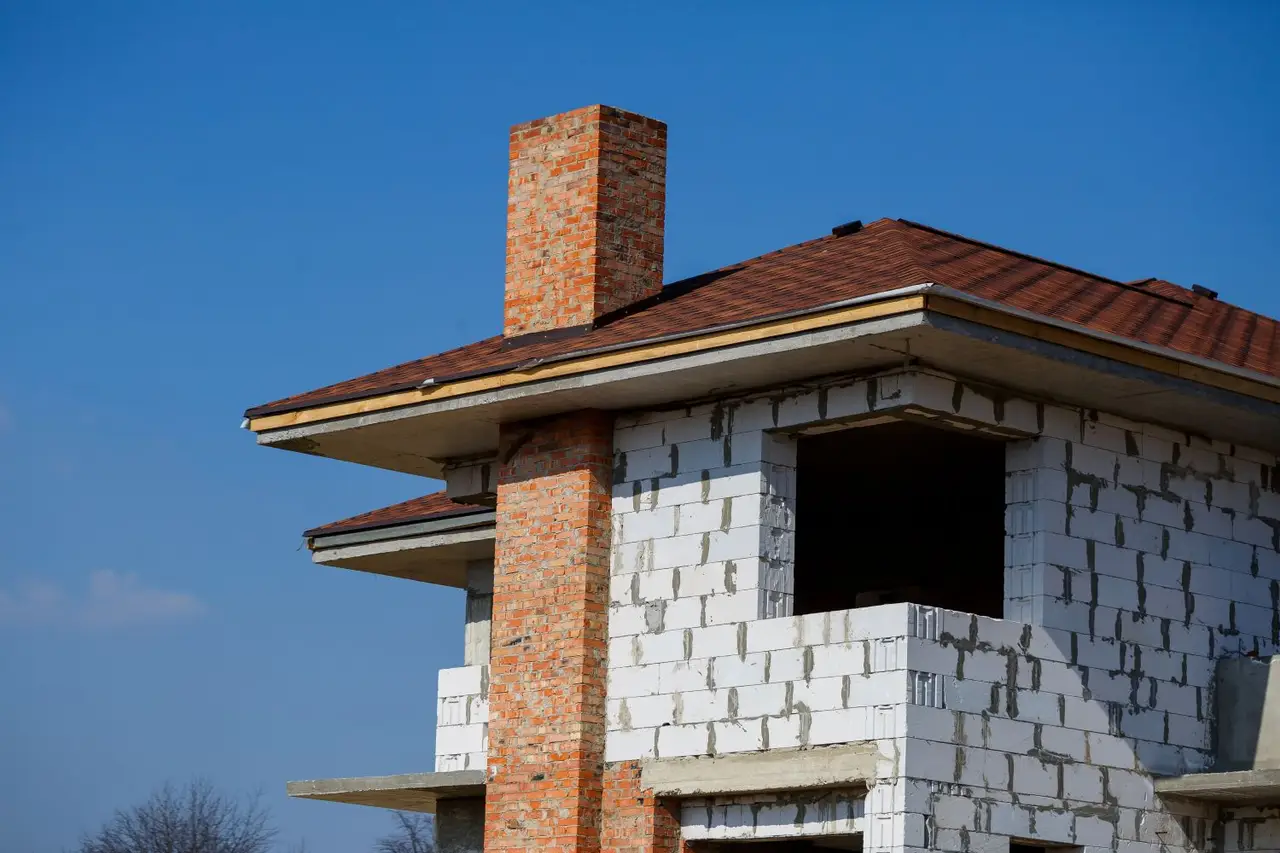
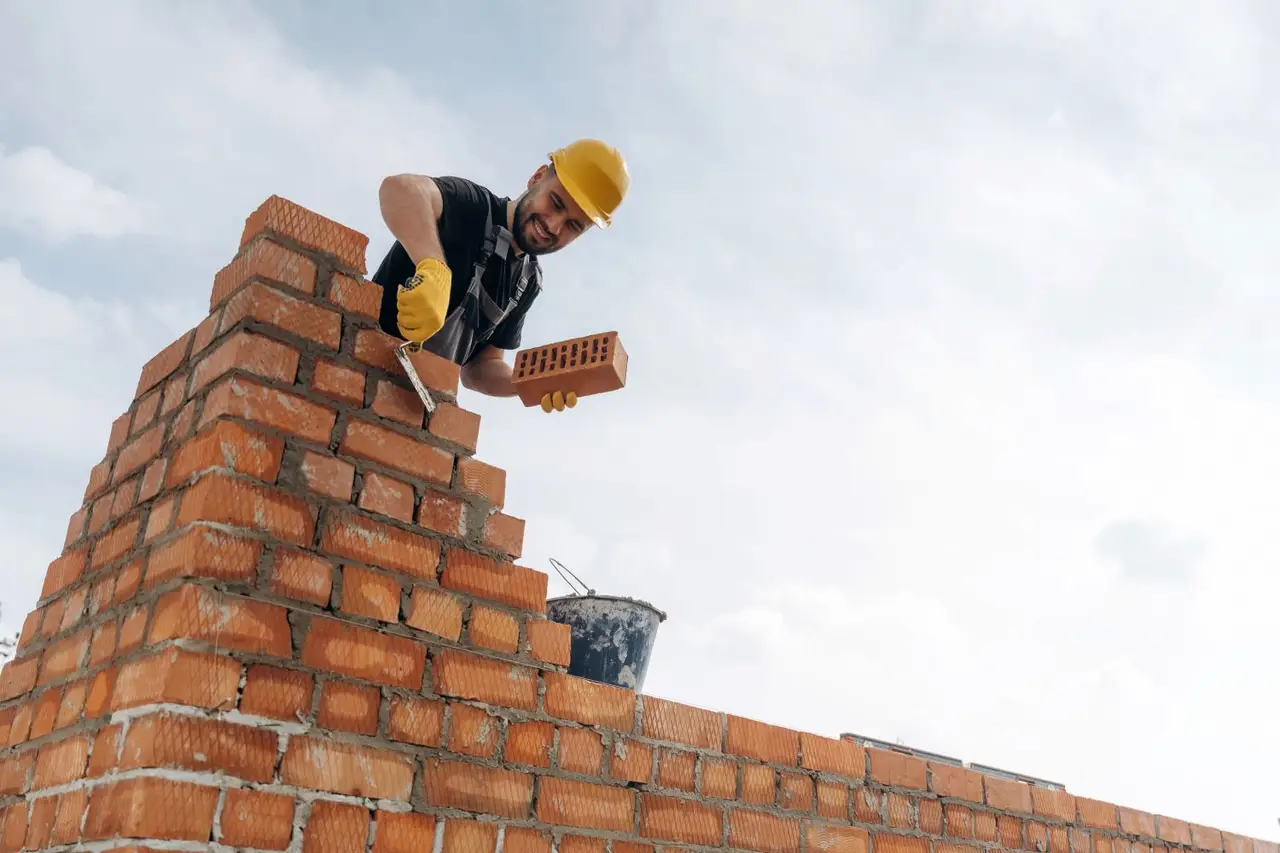
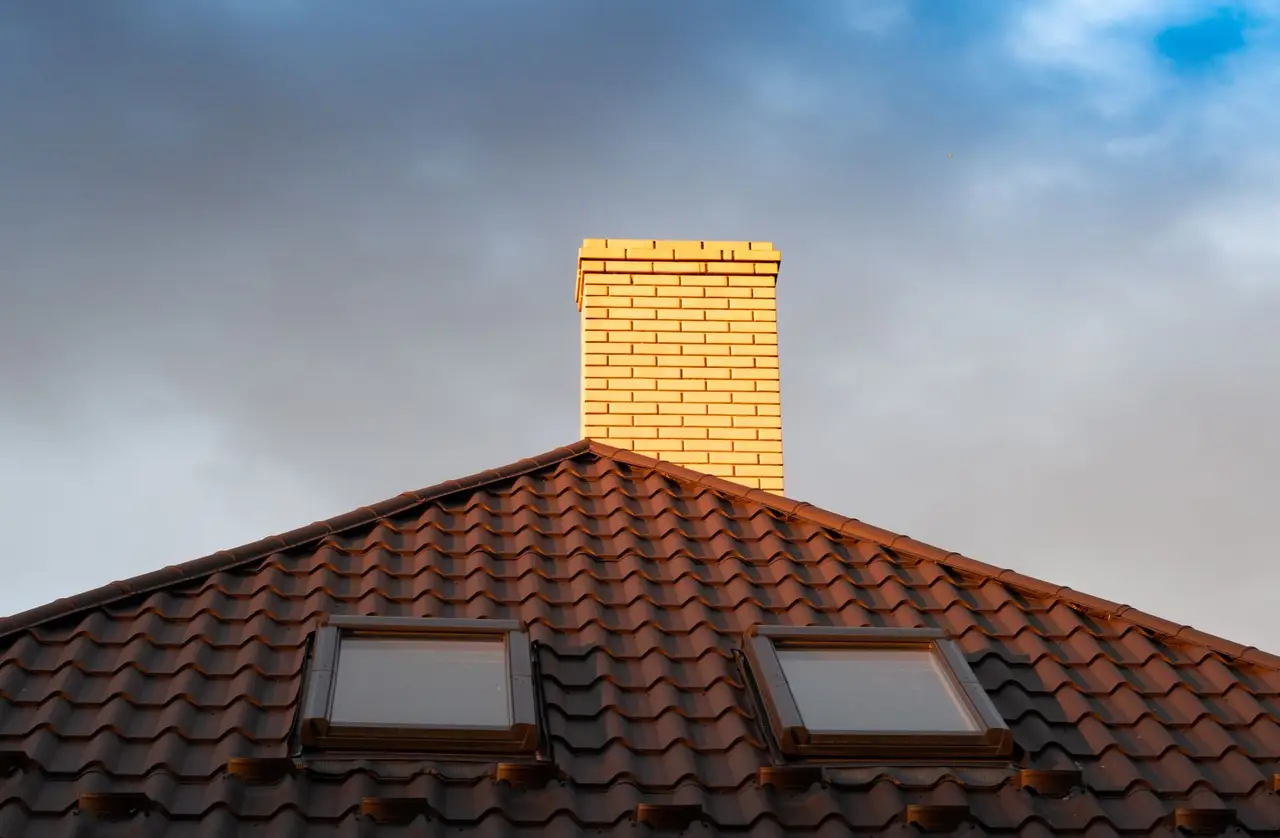
Chimney restoration fixes real damage, chimney refacing changes the outside look, and a simple refresh is lighter work like cleaning, sealing small gaps, and tune-ups. Think of it like trucks. Restoration is rebuilding the engine, refacing is a new body panel, and a refresh is an oil change and wash. The right choice depends on what is wrong, what you want it to look like, and how long you want the fix to last.

Why these three get mixed up so often
Most people only notice a chimney when something looks off, smells off, or leaks. A stain on the ceiling can start the same talk as a loose brick. That is why homeowners lump everything into “repair.”
Here is the simple way to keep it straight.
- Restoration is for strength and safety.
- Refacing is for looks and surface wear.
- A refresh is for upkeep and small fixes.
A good inspection sorts it out fast. You do not need to guess, and you should not have to play chimney detective with a flashlight and hope. If you want to schedule an inspection, use Contact Us.
What chimney restoration really means
Chimney restoration is the bigger scope. It targets damage that can affect how the chimney stands, vents, and handles heat.
Restoration may include work like:
- Replacing damaged bricks or stone units
- Rebuilding sections that are loose or leaning
- Replacing failing mortar joints in larger areas
- Fixing a cracked or broken crown
- Repairing a chimney cap or chase cover when it is letting water in
- Correcting venting or liner problems after an inspection finds an issue
Signs you might need restoration
You do not have to be a mason to spot trouble. Watch for these:
- Bricks that flake, pop, or crumble
- Mortar that looks sandy, missing, or pushed back
- A chimney that looks like it is tilting, even a little
- Water marks in the attic near the chimney
- Strong smoky smells in the house when the fireplace is not in use
- Pieces of tile or mortar in the firebox
Anecdote time. A homeowner once told a tech, “It is just a small crack.” The crack was small, but it acted like an open door for rain. The inside got wet, then hot, then wet again. That cycle can turn small damage into bigger damage. It is like a tiny hole in a boat. The hole is small, but the water does not care.
Weather in Houston and why restoration matters
Houston heat and humidity can speed up wear. Moist air gets into tiny gaps. Then heavy rain hits, and water follows the same paths again and again. After that, the sun bakes the masonry. That repeat cycle can weaken mortar and crowns over time.
Cold snaps happen too, even if they are short. When moisture is trapped in masonry and temperatures drop, it can cause cracking and surface flaking. You do not need months of winter for that to happen.
Safety note
If you see loose bricks, a leaning stack, or chunks falling into the firebox, stop using the fireplace and get it checked. That is not a “wait until next season” item. To book service with Same Day Chimney Sweep Service & Repair, use Contact Us.
What chimney refacing means, and what it does not
Chimney refacing is a surface update. It changes the outer skin of the chimney to improve looks and protect the surface. It does not replace major structural parts unless the base is fixed first.
Refacing may involve:
- Adding new veneer brick or stone over the existing surface
- Replacing worn faces on exposed masonry areas
- Updating the look to match a remodel or new siding
- Repairing small surface defects before the new facing goes on
Refacing can make a tired chimney look sharp again. Think of it like putting a new jacket on a person. The jacket looks great, but it will not fix a broken arm. If the chimney has major cracks, missing mortar, or water entry, those problems need repair first.
Signs refacing may fit your goals
- The chimney is sound, but looks aged, stained, or mismatched
- You want to change the style, brick color, or stone look
- The outer face has mild wear, but no major movement or gaps
- You are fixing curb appeal before listing a home
Houston reality check
Many homes around areas like Spring Branch and parts near Memorial, plus older brick homes near Loop 610, have chimneys that look worn from years of sun and rain. Sometimes the chimney still works fine, but the outside face has stains and patchy mortar lines. Refacing can be a good fit after the chimney is confirmed sound.
What a simple chimney refresh includes
A refresh is lighter work. It focuses on cleaning, small sealing, and minor touch-ups that help prevent bigger repairs later.
A refresh often includes:
- Chimney sweeping to remove soot and creosote
- A basic inspection
- Clearing a blocked cap screen
- Sealing small gaps with the right materials
- Minor mortar touch-ups in small spots
- Waterproofing the masonry surface, when the chimney is in good shape
A refresh is the “keep it running” plan. It is like washing the truck, changing the wipers, and topping off fluids. It will not fix a rusted frame, but it helps you avoid a bad day on the freeway.
Signs a refresh may be enough
- You use the fireplace and want it cleaner and safer
- You smell a mild smoky odor and want it checked
- You see small, hairline cracks in the crown
- You had a heavy rain and want to be sure water is not getting in
- It has been a year or more since the last sweep and inspection
Weather tie-in for refresh work
Houston storms can push wind-driven rain into places you would not expect. A good cap, sound crown, and water resistance on the masonry can cut down on moisture problems. Humidity also makes damp soot smell worse. A sweep and inspection can help find the cause.
Restoration vs refacing vs refresh, side-by-side
Here is the simple comparison.
Restoration
- Goal: fix damage and restore function and strength
- Best for: missing mortar, loose bricks, cracks you can fit a coin into, leaks with visible damage
- Result: chimney works right, stands firm, and sheds water better after repairs
Refacing
- Goal: improve the outer look and outer surface protection
- Best for: sound chimney that looks tired, stained, or outdated
- Result: updated look, cleaner finish, improved curb appeal
Refresh
- Goal: maintain and prevent
- Best for: routine care, small sealing, cleaning, minor wear
- Result: cleaner flue, fewer odors, better performance, fewer surprises
Troubleshooting steps you can use at home
Use this quick list to sort what you might need. If anything seems unsafe, stop using the fireplace and call a pro.
- If you see white, chalky stains on brick, then check for water entry and ask about waterproofing and mortar repair.
- If you see cracked mortar joints you can scrape with a key, then ask about masonry repair and possible restoration work.
- If water shows up in the firebox after rain, then check the cap, crown, and flashing, and schedule an inspection.
- If you smell strong soot odors inside, then schedule a chimney sweep and inspection.
- If smoke backs up into the room, then stop using the fireplace and get venting checked.
- If the chimney looks crooked or bricks look loose, then avoid use and ask about restoration.
- If the chimney works fine but looks rough or outdated, then ask about refacing options after a safety check.
If you want help sorting these signs, reach out via Contact Us.
What we usually see in Houston, TX
Houston homes deal with a lot of rain, sticky air, and fast weather swings. Here are a few common patterns:
- Crown cracks that let water in during hard storms
- Rusted caps or chase covers that drip water down the inside
- Flashing gaps where the chimney meets the roof, often seen after roof work
- Mortar joints that wash out faster on the sides that get the most sun and rain
You may spot these in brick homes, townhomes, and two-story houses with tall rooflines. If you live near major roads like I-10, soot and grime can also stain masonry faster, which makes a chimney look older than it is.
For general background on how masonry is affected by water, see https://en.wikipedia.org/wiki/Masonry.
Common myths and facts people repeat at cookouts
Myth: “If the fireplace works, the chimney is fine.”
Fact: Many chimney problems start outside. Water entry and mortar wear can grow quietly.
Myth: “Refacing fixes leaks.”
Fact: Refacing can cover surfaces, but leaks often come from the crown, cap, or flashing.
Myth: “A sweep is only needed if I use the fireplace a lot.”
Fact: Even light use can leave soot and buildup, and animals can block a flue even when you do not use it.
Myth: “A little crack in the crown is no big deal.”
Fact: Small cracks can act like gutters that guide rain into the masonry.
How to pick the right scope without guessing
Ask yourself three questions.
1) Is there damage that affects strength or venting?
If yes, think restoration. Loose bricks, missing mortar, movement, or smoke issues fall here.
2) Is the chimney sound, but ugly or dated?
If yes, refacing might fit. Still get an inspection first, because looks can hide water damage.
3) Do you mainly want upkeep and prevention?
If yes, refresh work is often the move. Sweeping, minor sealing, and inspection can save trouble later.
A little dialogue you might hear in real life:
Homeowner: “Can I just seal it and move on?”
Tech: “If the base is solid, yes. If the masonry is breaking down, sealing is like putting tape on a cracked pipe.”
How rain, humidity, and heat affect chimneys over time
Houston weather can act like a slow drill sergeant.
- Rain finds gaps in crowns, flashing, and mortar lines.
- Humidity keeps masonry damp longer, which can raise odor issues and speed surface wear.
- Heat bakes wet masonry, which can stress mortar and crowns.
- Wind can drive rain sideways, so water shows up in odd places.
That is why small upkeep tasks matter. Water is patient. It keeps showing up until the chimney tells it to stop.
For general household guidance on moisture and mold prevention, see https://www.cdc.gov/mold/.
A simple care schedule you can stick to
Keep it easy. Put it on your phone calendar and move on with your life.
Weekly during fireplace season
- Look for new soot smells in the room.
- Check that the damper opens and closes smoothly.
Monthly during fireplace season
- Peek inside the firebox for fallen bits of tile, brick, or mortar.
- Look at the chimney from the yard. Note new stains or missing mortar.
Yearly
- Schedule a chimney sweep and inspection.
- Ask about cap condition, crown condition, and flashing condition.
- If the chimney is sound but absorbs water, ask about chimney waterproofing.
If you never use the fireplace, a yearly check can still help, since animals and weather do not care about your plans.
FAQs
What is chimney restoration?
Chimney restoration is repair work that fixes damage and helps the chimney work safely. It can include rebuilding sections, replacing bricks, and repairing crowns and mortar.
What is chimney refacing?
Chimney refacing is a surface update that changes the outside look, often with new veneer brick or stone. It is mainly for appearance and surface wear, not major damage.
What is a chimney refresh?
A chimney refresh is lighter work like sweeping, basic inspection, small sealing, and minor touch-ups. It focuses on upkeep and prevention.
How do I know if I need restoration or just a refresh?
If you see loose bricks, missing mortar, water entry with damage, or smoke drafting issues, restoration is more likely. If things look mostly fine and you want cleaning and small fixes, a refresh can be enough.
Can Houston rain really cause chimney leaks?
Yes. Heavy rain and wind can push water into gaps around the crown, cap, and flashing. Humid air also keeps masonry damp longer after storms.
Is a chimney sweep only for wood-burning fireplaces?
No. Even if you rarely burn wood, animals can nest, debris can fall in, and moisture can mix with old soot. A sweep and inspection can catch problems early.
Is it safe to use my fireplace if I smell smoke when it is not on?
Treat that as a warning sign. Stop using it until you get an inspection. Odors can come from soot buildup, a blocked flue, or air moving the wrong way.
What parts of the chimney stop water from getting in?
The cap, crown, flashing, and the masonry surface all help. If any part fails, water can get into places it should not be.
Same Day Chimney Sweep Service & Repair helps homeowners in Houston, TX choose the right fix, whether you need a simple refresh, chimney refacing, or full chimney restoration, so your system stays cleaner, drier, and safer to use. Call (346) 644-6624 or visit https://samedaychimneysweepserviceandrepair.com to schedule service. You can also use Contact Us.