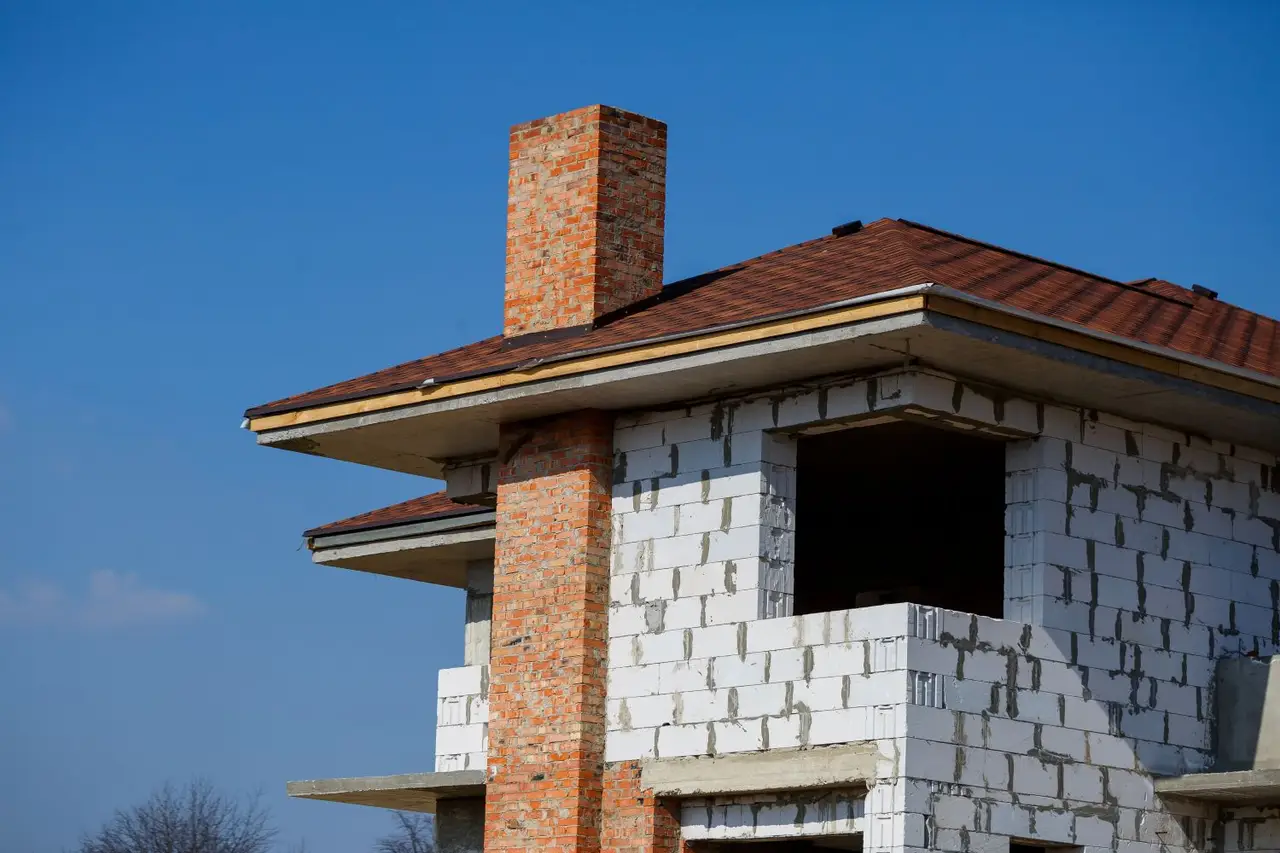
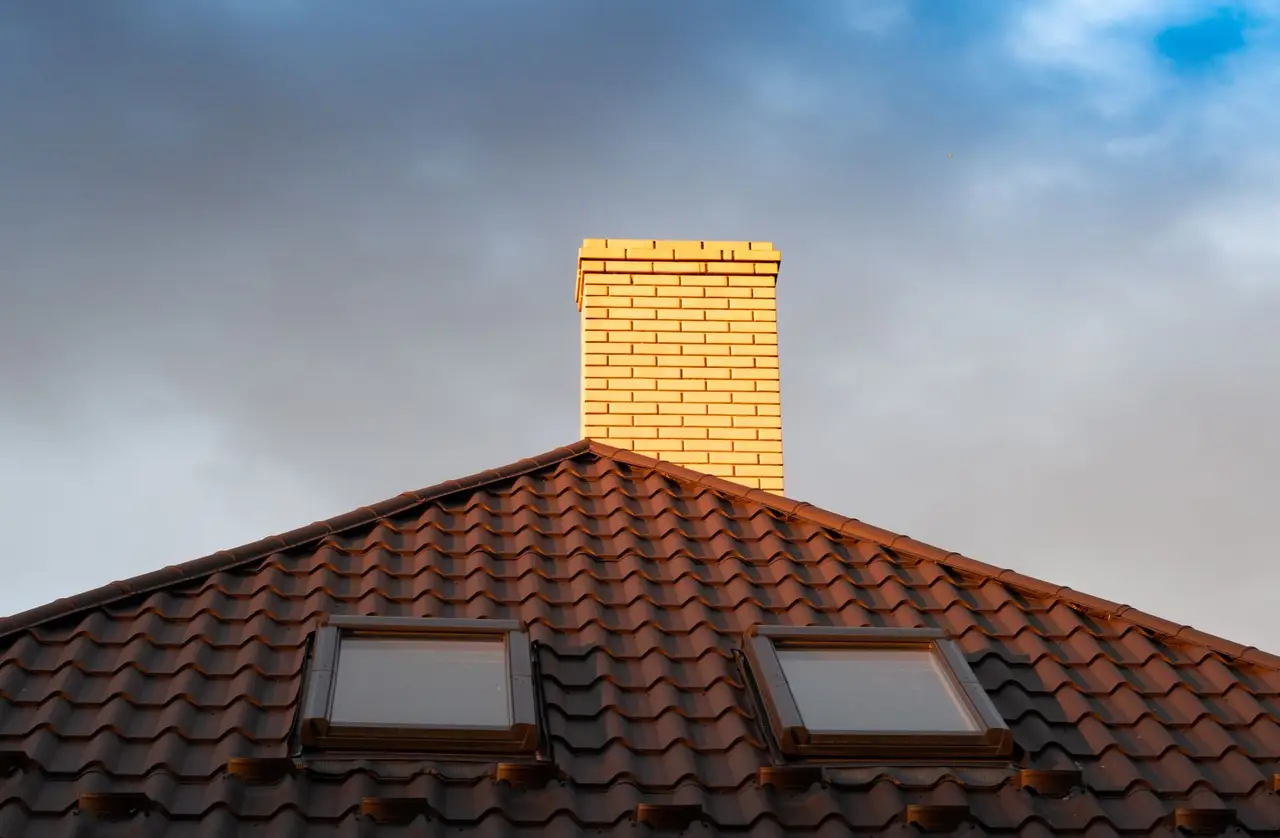
Clay tile and stainless steel chimney liners both guide smoke and heat out of your home, but they act like two different work boots. Clay tile is tough and steady, yet it can crack and leak when the chimney shifts or gets hit with fast heat changes. Stainless steel is flexible, handles many fuels, and is often easier to keep in good shape. Your best pick depends on your fireplace use, your chimney type, and what your Houston weather and home setup throw at it.

What a chimney liner does, and why it matters
A chimney liner is the inner wall of your chimney. It has a simple job. It keeps hot gases, smoke, and sparks moving the right way.
A good liner helps with:
- Draft, so smoke goes up, not into your living room.
- Heat control, so nearby brick and framing do not get cooked.
- Creosote control, since smoother paths can mean less gunk sticking.
- Moisture control, since water and acidic soot can eat away at surfaces.
Think of a liner like the “straw” your fireplace drinks air through and sends smoke out with. If the straw is cracked, bent, or the wrong size, things get messy fast.
Short safety note. If you smell smoke in the house, see soot puffing out, or your carbon monoxide alarm goes off, stop using the fireplace and get it checked.
Meet the contenders: clay tile liners and stainless steel liners
Both are common. Both can work well. They just shine in different situations.
Clay tile liners in plain terms
Clay liners are usually terracotta tiles stacked inside a masonry chimney. You see them a lot in older brick chimneys.
What people like about clay tile:
- It is nonmetal, so it will not rust.
- It can handle high heat from wood fires.
- It is a familiar setup in many masonry builds.
Where clay tile can struggle:
- Tiles can crack from age, chimney settling, or a chimney fire.
- Mortar joints between tiles can open up.
- Repairs can be more involved, since the liner is part of the chimney structure.
Stainless steel liners in plain terms
Stainless steel liners are metal tubes installed inside the chimney. They come in rigid and flexible styles. Many installs also use insulation around the liner.
What people like about stainless steel:
- It is smooth, which can help flow and cleaning.
- It works well with many appliances and fireplace inserts.
- It can be a good fix for a damaged flue tile setup.
- It can handle chimney movement better than brittle tile.
Where stainless steel can struggle:
- Cheap or wrong-grade metal can corrode faster.
- If it is not sized right, draft can suffer.
- Bad installs can cause gaps, leaks, or early wear.
Side by side: heat tolerance
Heat is the big bully in the room. Your liner has to stand up to it without cracking, warping, or letting heat leak to the chimney walls.
Clay tile and heat
Clay tile handles steady high heat well. That is part of why it became a standard for wood-burning fireplaces in masonry chimneys.
But clay tile hates sudden stress.
- Rapid heat change can lead to cracking.
- A chimney fire can crack tiles and open mortar joints.
- Once cracked, hot gases can leak into areas that should stay cooler.
Anecdote you may relate to. Clay tile can act like that old cast iron pan. Great when treated right. Drop it wrong, and you may get a crack that never goes away.
Stainless steel and heat
Stainless steel liners also handle high heat, and they can take rapid changes better than clay because they flex a bit.
Key points:
- Many stainless liners are tested for high temps.
- Insulated liners help keep flue gases hot, which can improve draft.
- Metal can handle small shifts in the chimney without snapping.
Still, metal is not magic. If the wrong alloy is used for the fuel type, corrosion can shorten its life.
Side by side: upkeep and cleaning
If you want a fireplace that behaves, upkeep matters. If you skip it, both liner types can get cranky.
Clay tile upkeep
Clay tile liners have joints. Those joints can catch soot and creosote.
Common upkeep issues:
- Creosote can build up on rough spots and at tile seams.
- Mortar joints can erode over time.
- Small cracks can hide until they get bigger.
Cleaning is straightforward for a pro, but camera checks matter more with clay because cracks are not always easy to spot from the top.
Stainless steel upkeep
Stainless liners are smoother. That can mean:
- Soot and creosote may release more easily during sweeping.
- Inspections can be clearer with a camera.
- Fewer “ledge” points compared to tile seams.
But stainless still needs regular sweeping. Creosote can still form, mostly if you burn wet wood or run low, smoldering fires.
Quick dialogue that plays out in real life.
Homeowner: “But I only use it a few times.”
Tech: “That is plenty of time for creosote to move in and act like it pays rent.”
Side by side: lifespan and what shortens it
Lifespan depends on use, fuel, moisture, and install quality. It is less about a magic number and more about conditions.
Clay tile lifespan factors
Clay tile can last a long time when:
- The chimney is built well and stays stable.
- Water stays out, meaning crown, cap, and flashing do their jobs.
- The flue is the right size for the fireplace.
Clay tile wears out faster when:
- Water gets in and freezes in cracks, then expands.
- The home shifts, or the chimney settles, and tiles crack.
- There was a chimney fire, even a small one.
Stainless steel lifespan factors
Stainless can last a long time when:
- The liner is the right grade for the fuel.
- It is insulated when needed.
- Moisture and acidic condensate are controlled with good draft.
Stainless wears out faster when:
- The wrong metal is paired with certain appliances.
- The flue runs cool and keeps condensing acidic moisture.
- The top of the chimney leaks and keeps the liner wet.
A simple metaphor. Clay can fail like a cracked sidewalk. Stainless can fail more like a bike chain that rusts when it is left in the rain.
Houston weather and why it changes the story
Houston heat, heavy rain, and sticky humidity can affect chimneys more than many homeowners expect.
Here is how:
- Humidity and warm air can keep moisture in the chimney longer.
- Big rainstorms can push water into weak crowns, caps, and flashing.
- Moisture plus soot can make acidic residue that wears surfaces down.
- Long stretches without using the fireplace can leave damp air sitting in the flue.
If you live near areas like The Heights or along I-10 where you see many older brick chimneys, water control is a common theme. A liner does not live alone. It depends on the chimney top staying watertight.
For more background on humidity, see https://en.wikipedia.org/wiki/Humidity.
What we usually see in Houston, TX
In many Houston-area homes, especially older masonry fireplaces and chimneys, these patterns show up:
- Cracked clay flue tiles near the top where rain and heat meet.
- Gaps at mortar joints that let smoke and heat sneak into the chimney walls.
- Rusted dampers and firebox wear from humid air and water entry.
- Stainless liners that look fine, but have install issues like poor top sealing.
If your chimney sits tall above the roofline on a two-story home, wind and rain can hit it harder. If it is a shorter stack, draft can be weaker, and that can change liner performance.
Which liner fits which setup?
No liner wins every fight. The best match depends on your fireplace or appliance and the chimney you already have.
Clay tile can be a good match when
- You have a traditional masonry fireplace built for clay tile.
- The tiles are intact, and the flue size matches the fireplace.
- The chimney is stable, with no settling cracks.
Clay tile is often “keep it if it is working” territory. If it is in good shape, you may focus on keeping water out and keeping it swept.
Stainless steel can be a good match when
- Clay tiles are cracked or missing sections.
- You have a fireplace insert or a newer heating appliance that needs a properly sized flue.
- Draft issues point to a flue size mismatch.
- You want a liner that can handle small chimney movement.
Stainless steel is often used as a repair path when a masonry flue is damaged or not the right size.
Short safety note. Liner changes should match the appliance and venting rules. A wrong match can cause smoke spillage and poor draft.
Signs your liner may need help
You do not need x-ray vision. Many clues show up in normal use.
Look for:
- Smoke smell in rooms, even when the damper is open.
- Slow-starting draft, smoke that lingers, or smoke roll-out.
- Pieces of clay tile or sand-like grit in the firebox.
- White staining on chimney brick outside, which can hint at moisture issues.
- A lot of creosote after a short burn season.
- Rust around the damper area.
If any of these pop up, an inspection with a camera can show what is going on inside the flue.
Quick troubleshooting steps you can use at home
Use these simple “If X, then Y” checks before you light another fire.
- If smoke comes into the room when you light, then warm the flue first with a small rolled newspaper torch and confirm the damper is fully open.
- If draft is weak on calm, humid days, then crack a window near the fireplace for a few minutes to help air flow.
- If you see black, shiny creosote, then stop burning until a pro sweep removes it, that stuff can ignite.
- If you find tile chips in the firebox, then book an inspection, those chips often mean cracked clay tile.
- If you see water stains near the fireplace or hear dripping, then check the chimney cap and crown soon, water can harm both clay and stainless systems.
- If your gas logs or insert make odd smells, then stop using it and get venting checked, the liner or connector may be wrong or blocked.
Common myths and the real scoop
Myth: “Clay tile never wears out.”
Fact: Clay can last a long time, but cracks and joint gaps are common as chimneys age.
Myth: “Stainless steel liners never need cleaning.”
Fact: Creosote and soot still build up, sweeping still matters.
Myth: “If smoke goes up, the liner must be fine.”
Fact: A liner can draft and still leak heat and gases through cracks.
Myth: “A chimney cap is just a fancy hat.”
Fact: A cap helps block rain and animals, and it helps protect both clay and stainless liners.
Care schedule that keeps either liner happier
A simple routine beats guesswork. Keep it easy.
Weekly during burn season
- Burn dry, seasoned wood if you burn wood.
- Watch for smoky starts, odd smells, or visible soot puffing.
- Let fires burn hot enough to avoid long smoldering.
Monthly during burn season
- Look up the flue with a flashlight from the firebox when cool, check for heavy buildup or debris.
- Check the damper area for soot piles or rusty moisture marks.
Yearly
- Schedule a professional chimney sweeping and inspection.
- Ask for a flue camera scan if you have clay tile, or if you had smoke issues.
- Check crown, cap, and flashing, water control is half the battle in Houston.
If you use the fireplace a lot, or burn daily during cold snaps, you may need more than one sweep in a season. Your sweep can tell by the creosote rate.
For general information on carbon monoxide, see https://www.cdc.gov/carbon-monoxide/index.html.
Clay tile vs stainless steel, a simple comparison table
| Feature | Clay Tile Liner | Stainless Steel Liner |
|---|---|---|
| Heat tolerance | Great with steady heat, can crack with rapid change | Great, handles changes well, often paired with insulation |
| Upkeep | Joints can trap soot, cracks can hide | Smooth walls clean easier, still needs sweeping |
| Lifespan risks | Cracks, joint erosion, water entry, chimney fire damage | Corrosion from moisture and acids, wrong grade, poor install |
| Best fit | Traditional masonry fireplace with intact tiles | Damaged flue, inserts, relines, sizing fixes |
FAQs
What is the main difference between clay tile and stainless steel chimney liners?
Clay tile is a rigid, stacked tile system inside masonry chimneys. Stainless steel is a metal liner tube, often used to reline a chimney or pair with an insert or appliance.
Which liner handles heat better?
Both handle high heat, but stainless steel often handles quick heat swings better. Clay tile can crack when stressed by fast temp changes or chimney settling.
Do stainless steel liners rust in Houston humidity?
They can if water gets into the chimney or if the wrong metal grade is used for the fuel. Good top sealing, proper sizing, and good draft help a lot.
How can I tell if my clay tile liner is cracked?
You might see tile chips in the firebox, notice smoky odors, or have draft trouble. A camera inspection is the sure way to confirm cracks and gaps.
Does a stainless steel liner make my fireplace draft better?
It can, mainly if the old flue is the wrong size, rough, or damaged. A properly sized liner can keep flue gases warmer, which helps draft.
Can I keep using my fireplace if the liner is damaged?
It is safer to stop until it is inspected. A damaged liner can leak heat and smoke into areas that should stay sealed off.
How often should I get my chimney cleaned?
Many homes do well with a yearly sweep and inspection. If you burn often or see creosote building fast, you may need more frequent service.
What parts matter besides the liner?
The cap, crown, flashing, firebox, and smoke chamber all matter. Water entry at the top can shorten the life of both clay and stainless liners.
Same Day Chimney Sweep Service & Repair helps homeowners in Houston, TX with chimney sweeping, chimney inspections, and chimney repairs, including liner problems, draft issues, and water entry at the top of the chimney. If you want help picking between clay tile and stainless steel, or you suspect your flue is cracked or dirty, call (346) 644-6624 or visit https://samedaychimneysweepserviceandrepair.com to schedule service.