Chimney repair cost factors come down to a few big things, how easy it is to reach the chimney, what materials are needed, how tall the home is, and how much water damage has spread. A small crack that is easy to reach is a very different job than a tall, steep roof with soaked bricks and rusty parts. If you know what changes the work, you can understand the quote and make smart choices.

Why chimney repair quotes can look so different
Two chimneys can have the same problem and still get very different quotes. It is not magic. It is job conditions.
Think of it like fixing a flat tire. If your truck is parked in your driveway, it is simple. If it is stuck in a muddy ditch off the side of the road, the work changes fast.
Chimneys are the same way. Access, height, materials, and water damage decide the tools, time, and steps needed to finish the repair.
Factor 1, access to the chimney
Access is the first big driver. If a tech can safely reach the chimney, the job moves faster. If not, the crew may need more setup.
Access issues often come from:
- Steep roof pitch, the “goat roof” that feels like a slide
- Tight space around the home, fences, trees, or a narrow side yard
- Roof obstacles, skylights, solar panels, or a tricky valley
- Chimneys set back far from the roof edge
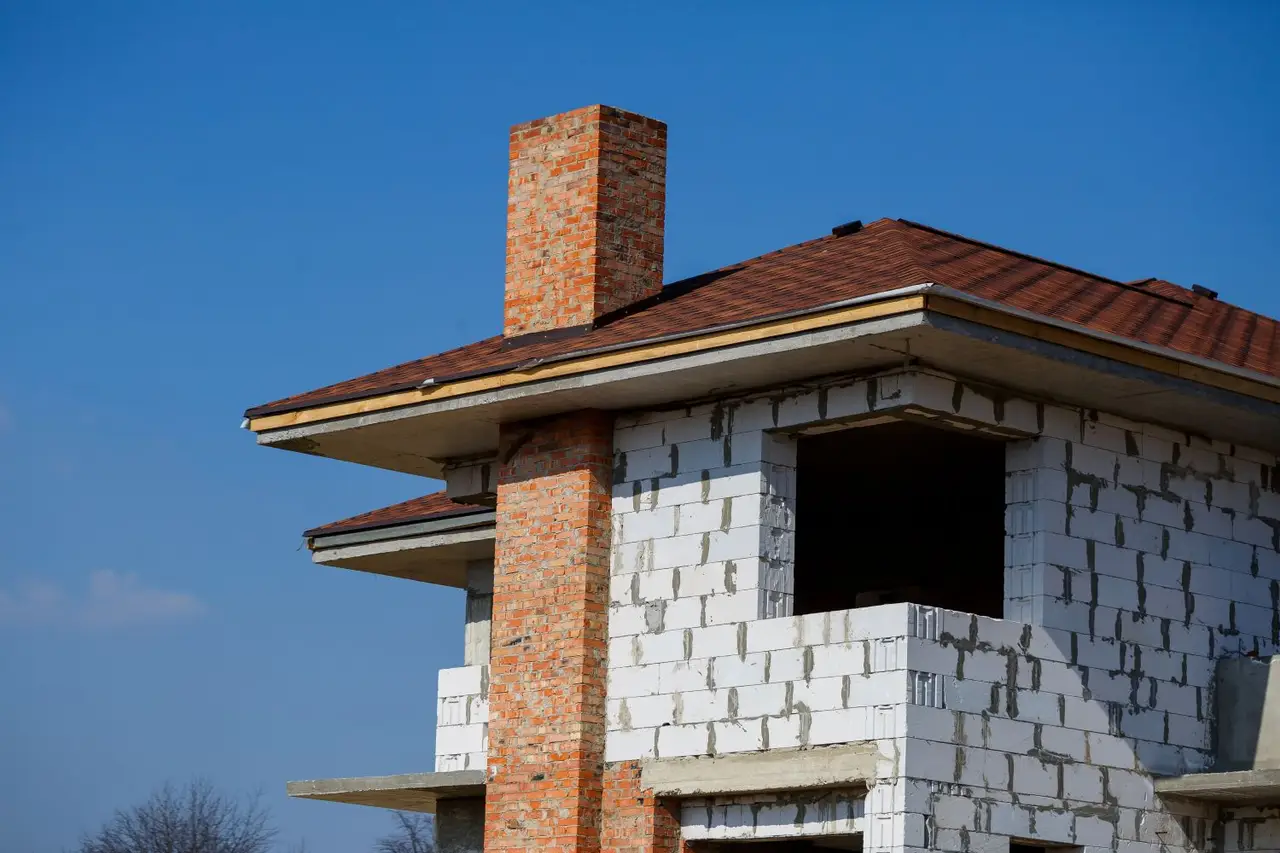
- Multi-story homes where the chimney sits high and far up
In Houston, we see plenty of two-story homes with tall rooflines in areas like Katy and Cypress, plus townhomes with tight access where setting ladders takes extra care.
Safety note: Roof work is not a DIY hobby. If you do not have the right ladder, tie-off points, and training, stay off the roof.
Factor 2, materials and the type of chimney
Chimneys are built from different materials. Repairs must match the chimney type, or you can create new problems.
Common chimney material types:
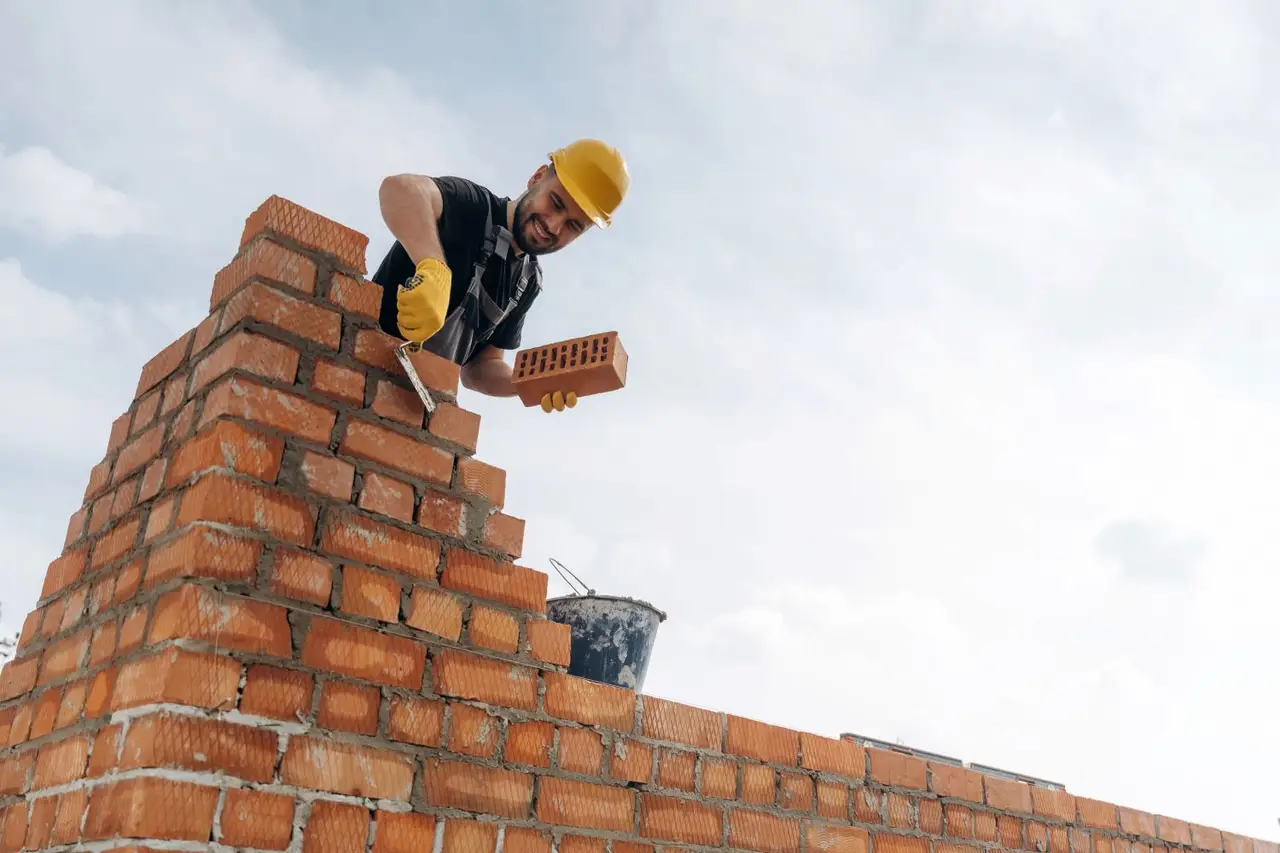
- Brick and mortar masonry chimneys
- Stone chimneys
- Stucco or siding-clad chimney chases
- Metal factory-built chimney systems
Materials change the repair steps. They also change what needs to be removed and replaced.
Masonry chimneys
Masonry chimney repair often deals with:
- Loose or missing mortar joints
- Spalling bricks, where the brick face pops off
- Cracked chimney crown
- Failing chimney cap or spark arrestor
Masonry needs the right mortar mix. If the mortar is too hard or too soft, the joints can fail faster. Matching brick size and color can matter too, especially on the front of the home.
Chimney chase and siding systems
Some homes have a framed chase with siding or stucco. Repairs may focus on:
- Rot in the wood framing
- Leaks behind siding
- Rusted metal flashing
- Soft spots near the top
A chase can hide damage like a raincoat that looks fine until you realize the inside is soaked.
Metal chimneys
Factory-built metal chimney systems can have:
- Rusted or separated sections
- Failed storm collar
- Loose termination cap
- Improper clearances from wood framing
Metal systems use listed parts that must fit the model. Mixing random parts can cause draft problems or safety risks.
Factor 3, chimney height and roofline
Height changes the work in a few clear ways:
- Longer ladder setup and roof travel time
- More fall protection steps
- More effort to move tools and materials
- More time to haul away debris
Even if the repair is small, reaching it can be the main challenge. A one-story home near the roof edge is often simpler than a tall home where the chimney sits near the center of the roof.
Houston has many newer builds with high ridgelines and complex roof shapes. That looks great from the street, but it can make chimney access slower.
Factor 4, water damage, the sneaky budget buster
Water damage is the big wildcard. A chimney can look “okay” from the yard and still be leaking inside.
Water damage can affect:
- Mortar joints and brick faces
- The chimney crown
- The firebox and smoke chamber
- Metal parts like dampers and caps
- Nearby framing in the attic
Once water gets in, it keeps working like a slow, stubborn termite made of rain.
How Houston weather plays into water damage
Houston weather is hard on chimneys.
- Heavy rain can push water into small cracks fast.
- Humidity slows drying, so moisture sticks around longer.
- Hot sun bakes materials, then night cooling shrinks them again, which can widen cracks over time.
- Cold snaps are rare, but when they hit, wet masonry can take a beating if water sits in pores and then chills.
If you live near Buffalo Bayou, or in older neighborhoods with mature trees like The Heights, you may also deal with clogged gutters and more roof runoff. More runoff can mean more chimney leak chances if flashing is weak.
The “usual suspects” that change the scope of repair
Some chimney parts are small, but they do big jobs. When they fail, repairs can spread.
Chimney crown problems
The crown is the cement layer at the top that sheds water. If it cracks, water enters the brickwork.
Common signs:
- Cracks that look like spider lines
- Pieces missing at the edges
- Water stains on the chimney below
A crown repair may be simple if caught early. If ignored, it can lead to wider masonry work.
Flashing and seal problems
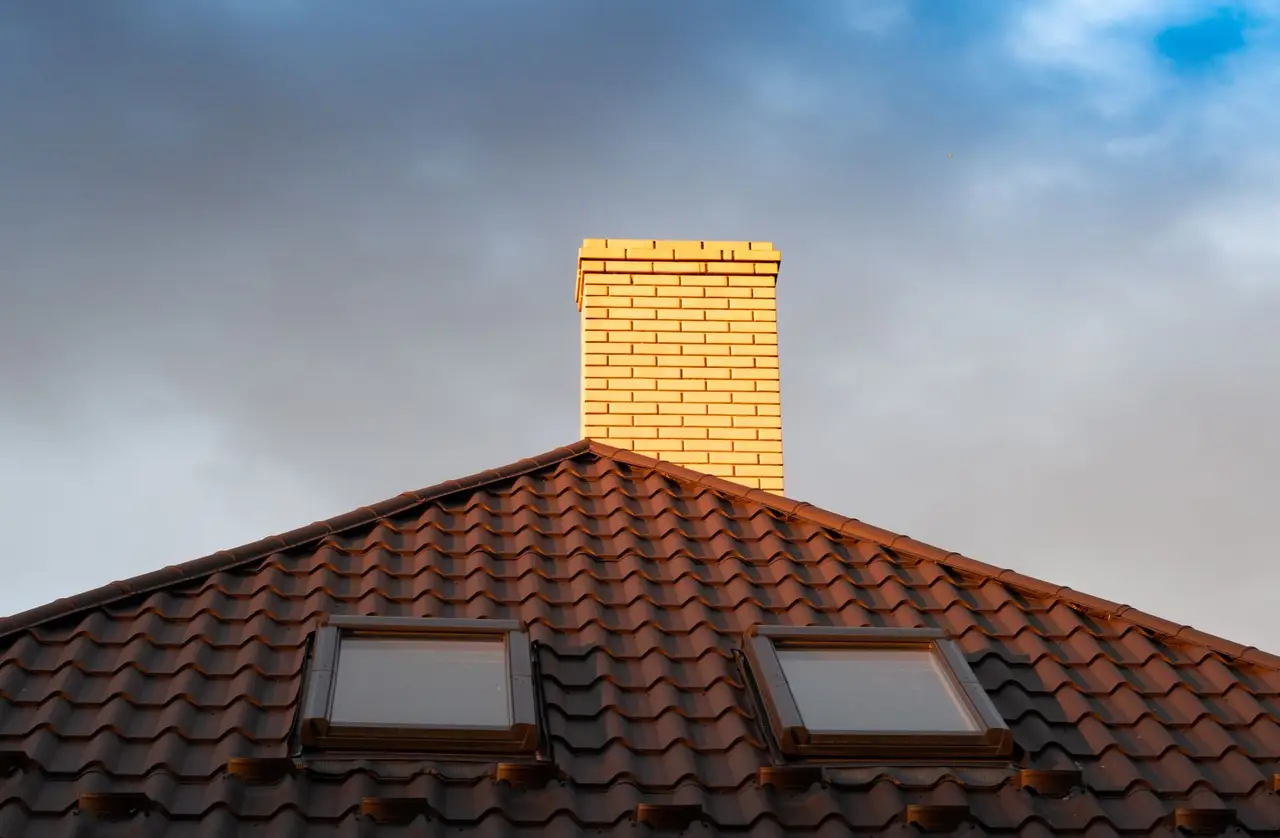
Flashing is the metal that seals the joint between roof and chimney. If flashing fails, water can follow gravity right into your attic.
Clues of flashing trouble:
- Water stains on ceiling near the fireplace wall
- Damp smell after storms
- Rust streaks down the chimney
- Loose metal edges you can see from the roof
Flashing repair can range from re-sealing to replacing sections. Roof type matters too, shingles and tile behave differently.
Mortar joints and repointing
Mortar is the glue holding bricks together. When it wears out, gaps open up.
Signs you may need repointing:
- Mortar crumbles when touched
- Small gaps between bricks
- White chalky stains, called efflorescence
- Leaning or bulging brick lines
If the joints fail in many areas, the repair area grows. That changes the work time and tools.
Firebox and flue damage
Some damage happens inside.
- Firebox cracks can form from heat cycles.
- Flue liners can crack or separate.
- Creosote buildup can hide flaws until an inspection.
Internal repairs often need special materials rated for high heat. They also take more time because access is tighter.
Safety note: If you see cracked flue tiles or gaps in the liner, stop using the fireplace until a pro checks it. Smoke and gases should stay inside the flue, not in your living space.
For general fireplace and chimney safety guidance, you can also review NFPA chimney and fireplace safety information.
What we usually see in Houston, TX
Here are patterns that show up often in local inspections and repairs:
- Flashing leaks after heavy storms, especially on older roofs near Chimney Rock Road and similar areas with mature trees and roof debris
- Crown cracks from sun and heat cycles, then water follows
- Mortar joint wear on chimneys that take the full blast of wind-driven rain
- Rusted caps and dampers when humidity stays high for long stretches
If you want to talk through what you are seeing, Contact Us.
Simple troubleshooting steps before you call
You do not need to play chimney detective all weekend. A few quick checks can help you explain the issue clearly.
- If you see water stains on the ceiling near the fireplace wall, then suspect flashing or roof leaks near the chimney.
- If you see white chalky stains on the outside bricks, then suspect moisture moving through masonry.
- If bricks look like they are peeling or flaking, then suspect long-term water exposure and freeze or heat stress.
- If the fireplace smells musty after rain, then suspect water entry at the top, cap, crown, or flashing.
- If you hear dripping in the firebox during storms, then suspect missing cap or crown cracks.
- If you see rust on the damper or firebox parts, then suspect repeated moisture in the system.
- If smoke backs up more than it used to, then stop using it and ask for an inspection, draft issues can be tied to flue damage or blockage.
Small myths that cause big repair bills
Myth: A chimney leak always comes from the roof shingles.
Fact: Chimney flashing, crown cracks, or a missing cap can leak even with a good roof.
Myth: A little crack in mortar is no big deal.
Fact: Small cracks let water in, and water spreads damage like gossip at a barbecue.
Myth: If the outside looks fine, the inside must be fine too.
Fact: Flue liners and smoke chambers can fail where you cannot see.
Myth: You can seal everything with a tube of caulk.
Fact: Sealant can help in the right place, but it is not a fix for failing mortar, cracked crowns, or bad flashing.
How pros size up a chimney repair job
A good inspection connects symptoms to causes. That keeps the repair focused.
A typical evaluation may include:
- Checking chimney crown, cap, and top sealing points
- Looking at mortar joints and brick condition on all sides
- Reviewing flashing lines and roof intersections
- Inspecting firebox walls and smoke shelf area
- Checking the flue liner condition, where visible, and looking for blockages
- Noting signs of moisture, rust, or staining in and around the fireplace
If water damage is present, the key question becomes, “How far did it travel?” Water can wick through brick and mortar. It can also run along metal.
Care schedule that helps you avoid surprise repairs
A little routine care can keep small issues from turning into a bigger job.
Weekly during fireplace season
- Look for new soot stains around the opening.
- Notice new odors, especially after rain.
- Make sure the damper opens and closes smoothly.
Monthly
- Shine a flashlight up into the firebox and look for drips, rust, or debris.
- Check the ceiling and wall near the chimney for fresh stains.
- If safe from the ground, look up at the chimney cap and see if it looks straight and intact.
Yearly
- Schedule a professional chimney inspection and cleaning if you use the fireplace or if it has been a long time.
- Ask about water entry points, cap condition, and crown condition.
- After major storms, do a quick indoor check for leaks and smells.
Houston tip: After a stretch of heavy rain, do a next-day sniff test near the fireplace. If it smells like wet cardboard, moisture may be getting in.
For additional home heating safety basics, see CDC guidance on safe heating.
How access, height, materials, and water damage interact
These factors stack. That is why quotes vary.
Here is a simple way to picture it:
- Access and height affect setup time and safety steps.
- Materials affect what products and repair methods can be used.
- Water damage affects how much must be repaired, not just what you can see.
A small crown crack on an easy roof is one thing. A crown crack on a tall, steep roof with hidden moisture in the brick is another story.
FAQs
What affects chimney repair cost factors the most?
Access to the chimney, the height of the home, the materials used in the chimney, and the amount of water damage tend to change the scope of work the most.
How can I tell if my chimney has water damage?
Look for musty smells after rain, rust on the damper or firebox parts, white stains on bricks, peeling bricks, and water stains on ceilings or walls near the chimney.
Can Houston humidity really damage a chimney?
Yes. Humidity slows drying, so wet mortar and brick stay wet longer. That can lead to soft mortar, stains, rusted metal parts, and more moldy odors near the fireplace.
Is chimney flashing repair the same as roof repair?
They are related but not the same. Flashing is the seal between the chimney and roof. Shingles can be fine while the flashing fails, or the reverse.
How do I know if my chimney crown needs repair?
Cracks on the top surface, missing chunks at the edges, and water stains down the chimney can point to crown trouble. A pro can confirm the cause and extent.
Should I stop using my fireplace if I see cracks?
If you see cracks inside the firebox, loose flue tiles, or you smell smoke where it should not be, stop using it and schedule an inspection. Safety first, and no hero moves.
Do I need a chimney cap in Houston?
A cap helps keep rain, animals, and debris out. In a rainy and humid area, it can reduce water entry and cut down on rust and odors.
How often should I get my chimney inspected?
Many homeowners schedule an inspection about once a year if the fireplace is used. If you just moved in or had storm damage, it also makes sense to book a check.
Same Day Chimney Sweep Service & Repair helps homeowners in Houston, TX with chimney inspections, sweeping, and repairs, including issues tied to access, materials, height, and water damage. If you want a clear explanation of what your chimney needs and why, call (346) 644-6624 or visit https://samedaychimneysweepserviceandrepair.com to schedule service. You can also Contact Us to request an appointment.