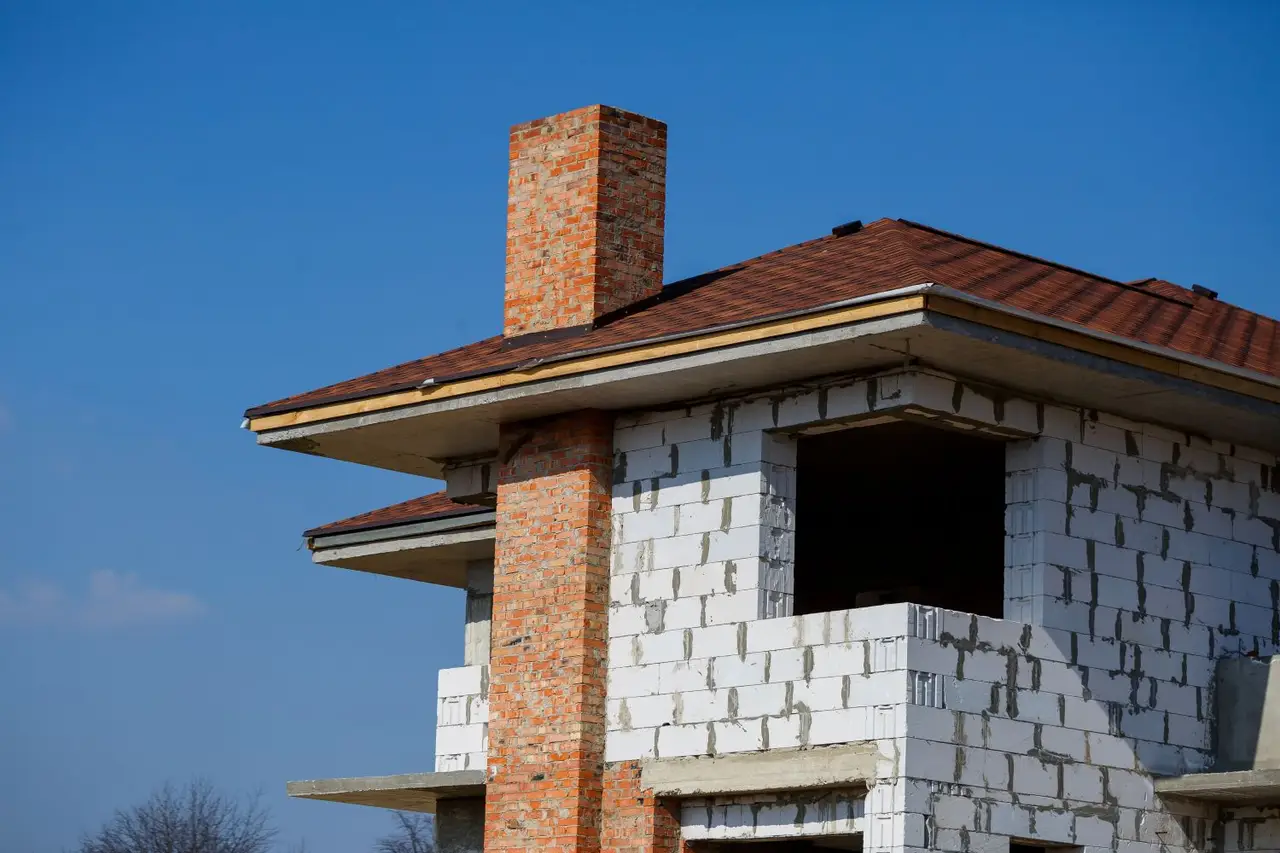
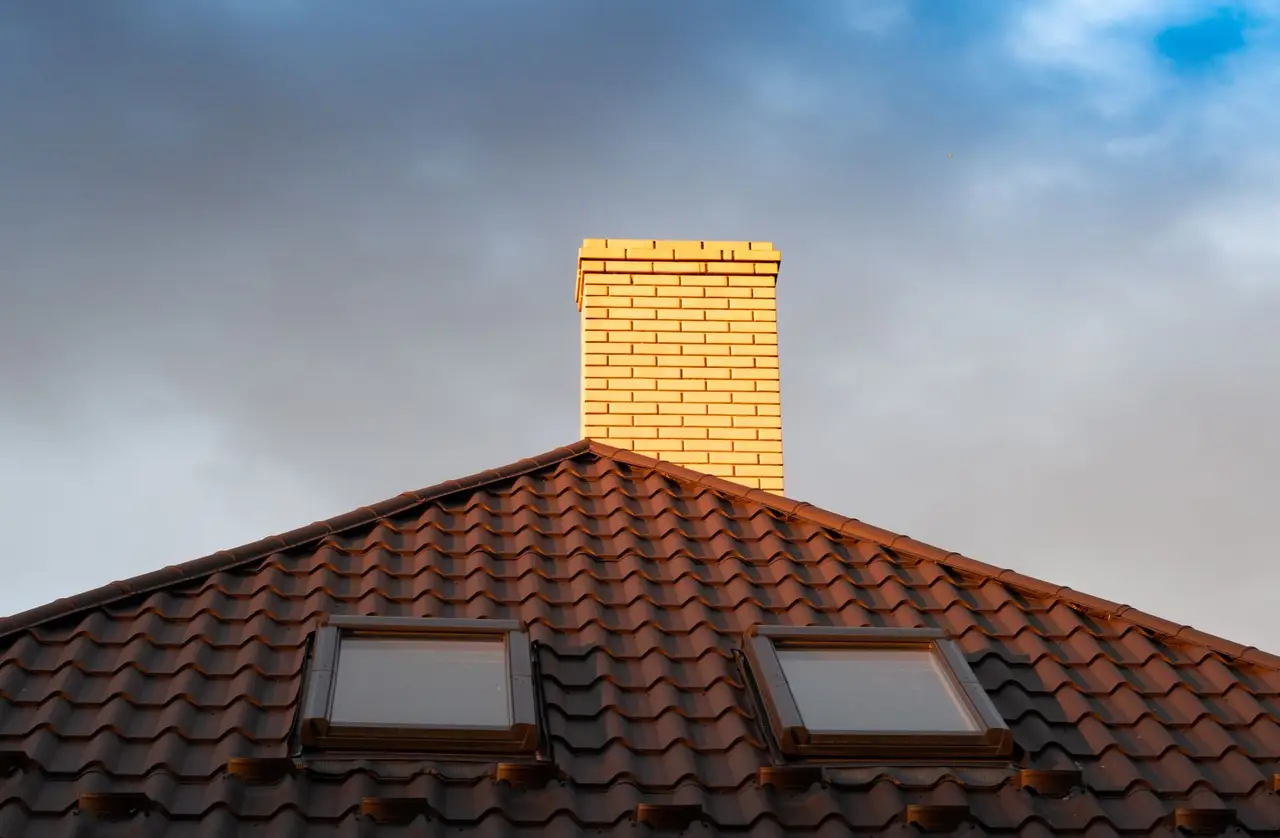
A failing chimney crown often gives small hints before it turns into a big mess. Look for hairline cracks, water that sits on top after rain, and rusty streaks running down the brick. You can spot these from the yard with good light and a little patience. Catching these signs early can help stop leaks, brick damage, and smoky fireplace problems later.

What a chimney crown does, in plain language
The chimney crown is the cap of cement at the very top of the chimney. It sits around the flue tile like a little roof.
Its job is simple. It helps push rain away from the chimney so water does not soak into brick and mortar.
Think of the crown like a baseball cap. If the brim cracks or sags, water runs where it should not. Then the whole “head” starts to feel it.
Why chimney crowns fail over time
Most crowns take a beating all year. Sun bakes them. Rain hits them. Wind pushes water sideways. In Houston, humidity keeps things damp longer than you want.
A crown can fail faster when:
- It was poured too thin.
- It has no drip edge, so water hugs the brick.
- It has shrink cracks from poor curing.
- The flue tile has no gap for movement, so the crown splits.
- Water got in, then the materials started breaking down.
You do not need to be a mason to spot trouble. You just need to know what to look for.
Early signs your chimney crown is failing, visible from the yard
1) Small cracks that look like spider lines
Hairline cracks can be easy to miss. They often look like thin pencil marks. On bright days, the sun may help you see them.
Why they matter: water loves tiny cracks. It sneaks in, then spreads the damage. Over time, cracks can widen and connect.
What you can do from the ground:
- Use binoculars.
- Check the crown surface, not just the edges.
- Look right after a rain, cracks may look darker.
Light humor moment. A crack is like a bad joke. Small at first, then it keeps showing up until everyone is tired of it.
2) Ponding water on top of the crown
Ponding water means water sits on the crown instead of running off. After a Houston rain, you might see a dull wet patch that stays long after the rest dries.
Why it happens:
- The crown is flat or has a low spot.
- The surface has worn down.
- The crown has started to sag or crumble.
Why it matters: standing water increases leaks and speeds up wear. It also helps moss and grime take hold.
Quick check:
- Look the morning after a storm.
- If the crown still looks wet at midday, it may be holding water.
3) Rust trails down the brick
Rust streaks can look like orange or brown lines under the crown or near the top courses of brick.
Common causes:
- Rusting metal near the top, like a damper component or cap fastener.
- Water getting into the crown, then carrying rust down the face.
- A chimney cap that is failing or loosely attached.
Why it matters: rust trails often point to water intrusion. Water is the main troublemaker for chimneys.
If you see rust plus cracks, that is a strong clue that water is getting places it should not.
4) Crumbling edges or missing chunks
A crown should have clean edges. If you see pieces missing, or a ragged edge line, the crown may be spalling. That means the surface is breaking off.
This can start small:
- Tiny chips at the corners.
- Rough texture that looks sandy.
- Bits of material on the roof near the chimney, if you can see it from the yard.
Safety note: do not climb on the roof to “just grab a piece.” Falls happen fast. Use ground checks, then call a pro if you see damage.
5) Gaps where the crown meets the flue tile
The flue tile is the clay or ceramic pipe sticking up at the top. There should be a clear sealed joint where the crown meets that tile.
From the yard, you might see:
- A dark gap line around the flue.
- Sealant that is missing or peeling.
- A flue tile that looks loose or tilted.
Why it matters: water can run straight into that joint. Then it can drip inside the chimney.
6) White stains on brick near the top
White powdery stains on brick can be a clue that water is moving through masonry and bringing salts to the surface. This is common when water gets into brick and mortar.
It does not always mean crown failure. Yet when it shows up near the top, the crown is a suspect worth checking.
7) Plants, algae, or heavy dark staining near the crown
Green growth or heavy staining near the crown area can mean water sits there often. In humid Houston air, wet spots stay wet longer, so growth shows up faster.
If the top of the chimney always looks darker than the rest, water may be hanging around.
A quick yard check you can do in 10 minutes
Grab binoculars, a phone camera with zoom, and a notepad.
- Stand where you can see the top clearly. A spot near the driveway often works.
- Take a photo and zoom in. Photos show details your eyes miss.
- Look for cracks, low spots, rust streaks, and missing pieces.
- Check again after the next rainfall.
Small effort, big payoff.
Weather in Houston, TX and why it speeds up crown damage
Houston weather is rough on masonry.
- Heat and sun bake the crown and dry it fast. That can cause shrink cracks.
- Heavy rain can dump water on the crown in minutes. If the crown does not shed water, it soaks.
- Humidity keeps brick damp longer. Damp materials break down faster.
- Cold snaps are rare, yet they do happen. If water is trapped, quick freezes can make cracks grow.
If you live near areas like The Heights or along I-10 where older brick homes are common, you may see more chimneys with aging crowns. On newer homes in places like Cypress, crowns can still fail if they were built thin or flat.
For local climate context, see Houston and National Weather Service.
What we usually see in Houston, TX
Across Houston, a few patterns show up again and again:
- Hairline crown cracks that turn into wider splits after big rain weeks.
- Flat crowns that hold puddles, then stain the brick below.
- Rust trails under the crown where water keeps finding a path.
- Loose sealant around the flue tile from sun and heat exposure.
Why “small” crown problems turn into “big” chimney problems
A crown sits at the top, so water that gets past it can travel down into many parts of the system.
Possible chain reaction:
- Water enters crown cracks.
- Moisture reaches the brick and mortar.
- Mortar joints weaken and start to wash out.
- Interior parts can get damp, including the smoke chamber area.
- Metal parts can rust.
- Musty smells can show up near the fireplace.
No scare talk here. Many homes catch this early and fix it with basic repairs. The key is spotting it before water has had a long season to roam.
Quick troubleshooting steps you can follow
Use these simple “If X, then Y” checks.
- If you see hairline cracks only, then take photos now and recheck after the next two rains. Call a chimney pro if cracks spread or connect.
- If you see ponding water, then plan a professional inspection soon. Ponding tends to keep causing damage until the slope is fixed.
- If you see rust trails, then check for a loose or damaged chimney cap from the ground. Call a pro to inspect the crown and top hardware.
- If you see missing chunks or crumbling edges, then stop there and schedule service. Pieces can fall and the crown may be failing faster.
- If you see a gap around the flue tile, then avoid using the fireplace until it is checked. Water can enter fast through that joint.
- If you see interior water stains near the fireplace after rain, then request a full chimney exterior inspection. The crown is a prime suspect, yet flashing and caps also matter.
Contact Us to schedule an inspection when these signs show up.
Common myths and the real facts
Myth: “A few small cracks are normal, so ignore them.”
Fact: Small cracks often grow, and they can let water in right away.
Myth: “If my fireplace works, the crown must be fine.”
Fact: A fireplace can draft fine while water is still damaging the chimney.
Myth: “Rust streaks just mean the brick is old.”
Fact: Rust usually points to water hitting metal parts, then washing down.
Myth: “If I have a chimney cap, the crown does not matter.”
Fact: Caps help a lot, yet the crown still has to shed water and seal around the flue.
Simple care schedule for chimney crown health
Weekly plan
- After heavy rain, do a fast look from the yard.
- Notice new stains, rust streaks, or dark wet patches near the top.
Monthly plan
- Take a clear photo of the crown area with zoom.
- Compare it to last month, look for new cracks or bigger cracks.
- Check your ceiling and walls near the fireplace for new water marks.
Yearly plan
- Schedule a professional chimney inspection and cleaning.
- Ask the tech to check the crown, cap, flue top seal, and mortar at the top.
- Do this before peak fireplace season, so you are not rushed.
Contact Us if you want to set up yearly service.
When it is time to call a chimney pro
Call when you see:
- Ponding water, even if cracks look small.
- Pieces missing from the crown.
- Rust trails that keep getting longer.
- A flue tile that looks loose or leaning.
- Leaks, damp smells, or stains after rain.
A quick visit can stop you from playing “guess the leak source” all season. That game is no fun, and it never comes with a trophy.
Schedule service with Same Day Chimney Sweep Service & Repair: call (346) 644-6624 or visit https://samedaychimneysweepserviceandrepair.com. You can also Contact Us to book an appointment.
FAQs
What is a chimney crown, and is it the same as a chimney cap?
A chimney crown is the cement layer at the top of the chimney. A chimney cap is a cover, often metal, that sits above the flue opening. They work together, yet they are not the same thing.
Can I seal small cracks in my chimney crown myself?
Some seal products exist, yet the right fix depends on crack size, crown shape, and how the flue tile meets the crown. A wrong seal can trap water or fail fast in heat. A chimney pro can confirm the safest repair.
How do I know if water is ponding on my crown from the ground?
Look at the crown the day after rain. If a wet spot stays dark while other areas dry, water may be sitting in a low area. Binoculars and photos help.
Do rust trails always mean the crown is failing?
Not always. Rust can come from a cap, fasteners, or other top parts. Still, rust plus cracks or staining often points to water getting past the top surfaces.
Is it safe to use my fireplace if I think the crown is cracked?
If cracks are tiny and you have no leaks, it may still work. If you see gaps around the flue, missing pieces, or interior water stains, pause use and get it checked.
How does Houston humidity affect chimney crowns?
Humidity keeps masonry damp longer, so water damage can move faster. Heat also wears out sealants and can stress the crown surface.
What other parts can cause leaks that look like crown trouble?
Chimney flashing, missing caps, mortar joints, and the chase cover on prefab systems can also leak. A full inspection helps pinpoint the real source.
How often should a chimney crown be inspected?
A yearly inspection is a good target for most homes, plus extra checks after major storms. If your chimney is older, checks may be needed more often.
Same Day Chimney Sweep Service & Repair helps homeowners in Houston, TX spot early crown problems and fix them before water causes bigger damage. For chimney crown inspection, chimney repairs, and chimney cleaning, call (346) 644-6624 or visit https://samedaychimneysweepserviceandrepair.com to schedule service.