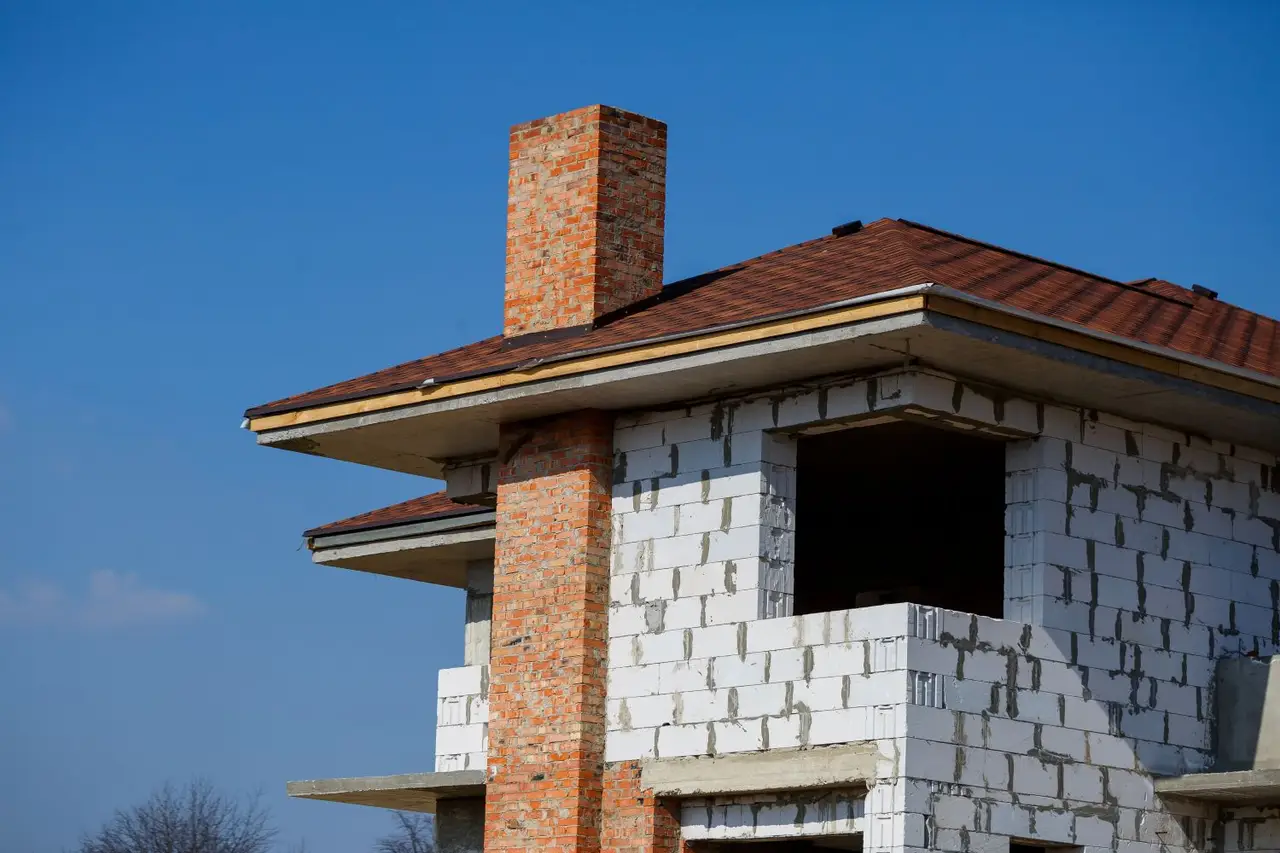
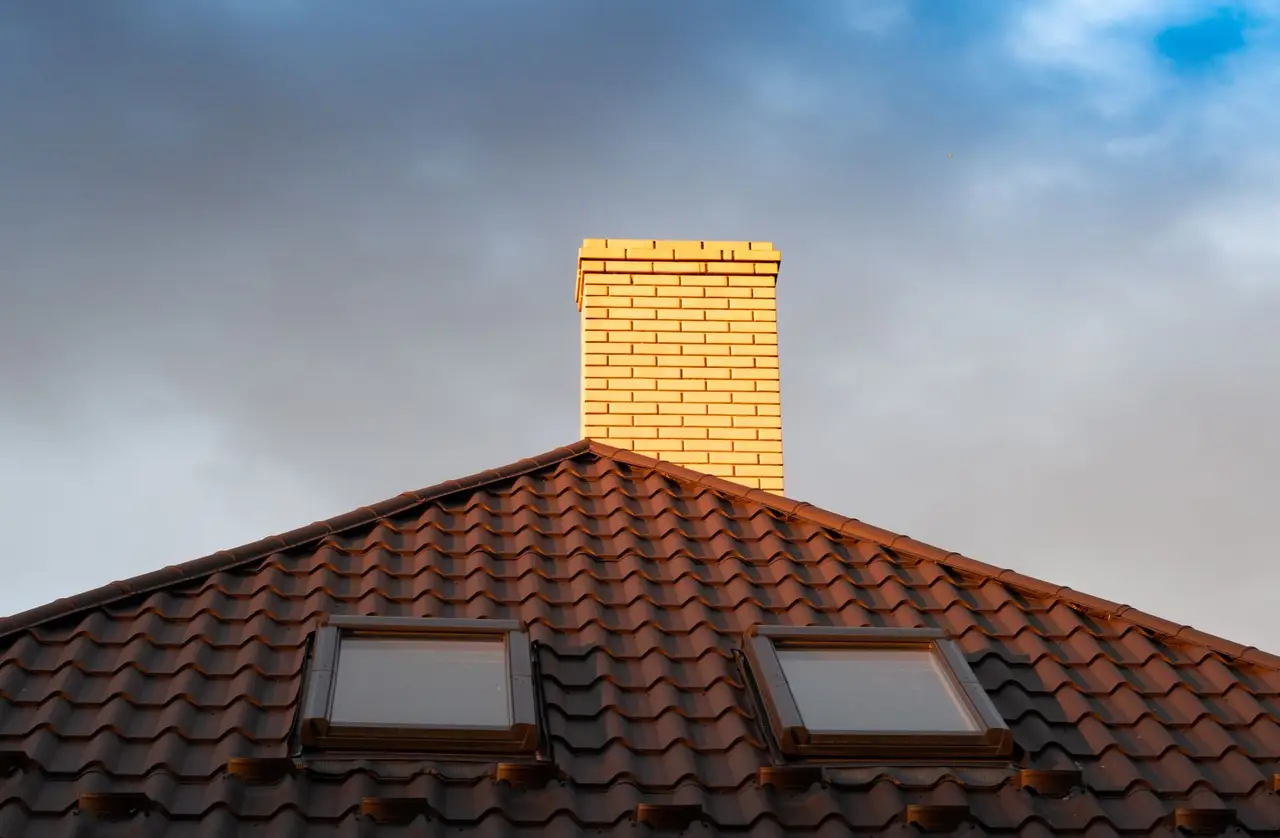
After a storm, do a simple storm damage chimney check from the ground. Look for a tilting cap, cracked crown lines, loose flashing, and fresh ceiling stains near the fireplace. Sniff for a wet smoke smell. Listen for drip sounds. If anything looks off, take photos and call a pro. No ladders. No roof walks. Safety first.
Why storm checks matter after big rain or wind
Houston storms can turn small chimney wear into leaks fast. Wind drives rain sideways. Gutters overflow. Shingles lift. Water finds tiny gaps around the chimney. A five-minute ground check after a storm can save drywall, trim, and your weekend mood. Think of it like checking your truck after a hard trail. Quick look. Quick notes. Smart moves.

Your simple ground-level checklist
You do not need special tools. A phone camera, a flashlight, and your eyes will do. Stand in a dry, safe spot. Walk the yard. Take notes.
- Chimney cap
- Is it straight and centered
- Is the screen intact or bent
- Do you see shiny screws missing
- Any birds or branches stuck at the top
- Chimney crown
- Look for dark hairline lines across the top edge
- Check for chunks missing on corners
- Do you see a dip or ponding water up there
- Flashing at the roofline
- From the ground, look where chimney meets roof
- Any lifted step flashing pieces
- Any rust stains or streaks below the metal
- Shingle edges near the chimney curled up
- Inside signs
- Water rings, brown lines, or paint bubbles on the ceiling near the fireplace
- Damp odor, like a wet fire pit
- Soot lines that look washed out, showing water ran through
- A damper that now sticks or squeaks
Sounds like a lot, but it is quick. You are just scanning for odd stuff the storm may have caused.
How Houston weather beats up a chimney
Gulf storms bring hard rain and fast gusts. Summer heat makes metal expand. Cool mornings follow, and metal shrinks. That push and pull can open seams at the flashing. Humid air keeps mortar damp, which invites tiny cracks. Heavy rain rides the wind and hits the crown sideways, then seeps into hairlines. A rare cold snap can widen those cracks. Then the next storm washes in, like a guest who did not wipe their boots.
What these parts do and what damage looks like
Let us break the parts down, so the odd signs make sense.
- CapThe cap is the hat on your chimney. It keeps rain, leaves, and critters out. It also blocks sparks. A good cap sits square, has a snug mesh screen, and a solid lid. After storms, caps twist, pop screws, or lose the lid. A crooked cap lets water pour right down the flue. If you see birds doing a house tour up top, the screen may be torn.
- CrownThe crown is the concrete top that sheds water. It should slope away from the flue. Cracks in the crown act like little canals. Water gets in, then spreads into brick and the chase. Look for shadow lines that march across the top. Those are crack clues. Chips at the edge mean freeze-and-thaw or heat stress took a bite.
- FlashingFlashing is the metal that seals the gap where chimney meets roof. Step flashing tucks under shingles. Counter flashing cuts into brick or stone. Wind likes to lift these edges. Rust stains say water is hanging out there. If you see a wavy line where the chimney meets the roof, a piece may be loose. That can mean a likely leak.
- Firebox and ceilingWater inside leaves tracks. Brown rings, peeling paint, puffy drywall, or a faint yellow line above the mantle point to a roof or chimney leak. Black soot trails that look smeared also tell you water ran through the flue. You might hear a drip in the firebox after rain. That is an unwelcome sound.
A quick story from the field
After a line of storms off I-10, a homeowner in the Heights called and said, My ceiling looks like a coffee ring. We walked the yard with him on a video call. His cap leaned like the Tower of Pisa. A wind gust had spun it. We fixed the cap, sealed a cracked crown, and the leak stopped. The coffee ring faded after repaint. Sometimes a small twist at the top makes a big mess below.
Ground checks you can do right now
Grab your phone and do these three laps.
- Yard lap
- Stand back 30 feet. Zoom in with your camera. Is the cap level. Is the crown line smooth. Do you see rust lines at the flashing.
- Wall lap
- Walk the outside wall under the chimney path. Look for water lines, green algae, or brick spalling chips.
- Living room lap
- Shine a light at the ceiling edge around the fireplace. Check behind the mantle. Take off any holiday decor that hides corners. Smell for musty air.
What we usually see in Houston, TX
- Bent caps after a gusty front rolls through along Beltway 8
- Step flashing lifted on ranch homes near Westheimer after long rain
- Hairline crown cracks on older brick stacks in the Heights and Garden Oaks
- Brown rings on ceilings in Katy and Cypress after two-day showers
If you spot any of that from the ground, take photos. Then set the ladder in the garage. Let a pro handle the roof.
Why storms make small flaws turn into leaks
Wind pushes rain up and under. Water wants the path of least push. A loose counter flashing edge becomes a funnel. A crown crack sucks in water, then feeds the brick. Brick acts like a sponge. It holds water, then releases it inside when the sun warms the wall. You see a stain hours later and wonder why. That sponge trick is the reason.
Safety notes that matter
- Do not climb a wet roof
- Keep kids and pets inside while you check
- Never touch fallen wires near the house
- If bricks look shifted or loose, back away and call a pro
- If you smell gas, leave and call the gas company first
Common storm red flags and what they mean
- Cap rattles in the windScrews may be loose. The clamp might be stripped.
- Shimmer on flashing in the sunThat shimmer can be a lift at the edge. Water can ride under it.
- Sand-like grit in gutters near the chimneyShingle wear next to the chimney. Wind scuffed the edges.
- Chalky white streaks on brickEfflorescence from water drying through the wall. Water is moving through the masonry.
- Rust trail down the chase cover on a prefab chimneyCoating failed. Water is slipping in at seams.
How to take clear photos for your tech
Good photos help speed the fix.
- Stand far, then zoom for the cap and crown
- Take a side angle shot of the roofline where flashing sits
- Snap any ceiling spots with a coin next to the stain for size
- Record a 10-second video if you hear drips after rain
Troubleshooting steps you can follow
- If the cap looks tilted, then avoid use of the fireplace and call for cap re-secure or replacement.
- If you see hairline crown cracks, then keep the area dry inside with a bucket under drip sounds and schedule a crown seal.
- If flashing looks lifted or rusty, then avoid roof access and arrange a flashing inspection and reseal.
- If the ceiling shows fresh rings, then photograph daily for three days and call a chimney and roof pro to test for active leaks.
- If the damper sticks after storms, then do not force it and plan a flue and throat check.
- If you smell wet soot, then air out the room and book a sweep plus water entry check.
- If birds hover at the top, then you likely have a screen gap and need a cap with a proper mesh.
Truth check, myths and facts
- Myth: A cap means rain can never get in.
Fact: Wind driven rain can curve in if the cap is bent or small. - Myth: A hairline crown crack is only cosmetic.
Fact: It can wick water and feed leaks into brick and drywall. - Myth: Flashing leaks show up right away.
Fact: Water can travel and show up hours later far from the roofline. - Myth: Paint covers water stains, so the problem is gone.
Fact: Paint hides stains. It does not stop leaks.
Cap checks, what to look for
- Lid must be flat, not warped
- Mesh should be tight, no holes
- Clamp should be snug to flue tile or chase cover
- Stainless or galvanized parts should not shed rust flakes
If you see rust flakes on siding below a cap, water is interacting with metal. Time for a fix.
Crown checks, quick clues
- Lines that look like dried river beds on top
- Chips at the drip edge
- Pooled water after rain that lingers
- Gaps around the flue tile where silicone should be
A crown should slope like a mini roof. If it looks flat like a table, water sits, and cracks can spread.
Flashing checks, what shows from the yard
- A step pattern that looks uneven
- Gaps where metal meets brick
- Tar smears that look fresh or failing
- Brown streaks on shingles below the metal
Tar is a band-aid. Good flashing seals with proper steps and counter flashing cut into mortar. Storms love to test short-term fixes.
Inside checks, quick wins
- Roof leaks often leave a soft bubble in paint. Gently touch with the back of your hand. If soft, mark the spot with tape.
- Use a dry tissue near the top of the firebox after rain. If it picks up moisture, note the day and time.
- Shine a light up the flue with the damper open. If you see light from the side, that can be a gap near a liner joint or a warped damper.
What to do while you wait for service
- Keep the fireplace unused until a tech clears it
- Place a small container under a known drip
- Run a fan in the room to dry the air, not pointed at the stain
- Do not peel bubbling paint, leave it for the repair visit
- Keep pets out of the area so paws do not track wet soot
Why small fixes beat big repairs later
A loose cap screw now can keep rain from entering the flue. A tube of crown sealer today can stop a ceiling tearout next season. A flashing tune-up before hurricane season can keep your living room dry when the next line of storms rides up I-45. Little things now, big headaches avoided later.
Houston homes and common chimney types
Many brick chimneys on mid-century ranch homes around Spring Branch use step flashing and mortar counter flashing. Some prefab fireplaces in newer suburbs like Katy have a metal chase cover and a cap combo. Each setup has its own storm weak spots. Brick needs crown care and mortar checks. Prefab chases need tight seams on the cover and a cap that sheds water wide.
Heat, humidity, and your chimney
Heat expands metal caps and flashing. Then a pop-up shower cools them fast. That motion loosens screws and cracks old sealant. Humidity keeps mortar damp, so hairline cracks do not dry out fast. Add wind, and water will ride any gap it can find. Keeping caps tight and crowns sealed fights that cycle.
Simple tools you can keep on hand
- Binoculars or a phone with a good zoom
- Flashlight
- Blue painter tape to mark inside spots
- A notebook for storm dates and what you saw
Pro tip: Use the same spot in the yard to take photos after each storm. You can compare angles. Patterns stand out faster.
Care schedule you can follow
Weekly in storm season
- Quick yard look at cap, crown, and flashing line
- Sniff test near the fireplace for damp odors
- Check the ceiling for new rings
Monthly
- Photo check from the same yard spot
- Clear leaves and branches near the chimney area
- Look inside the firebox for new soot streaks
Yearly
- Full sweep and inspection before peak burn months
- Reseal minor crown cracks before hurricane season
- Flashing tune-up and re-caulk as needed
- Cap screen cleaning and screw check
What not to do after a storm
- Do not climb on wet shingles
- Do not yank on a stuck damper
- Do not tape over ceiling stains to hide them from yourself
- Do not block a dripping flue with rags
Water tests a chimney like a pop quiz. Blocking the path traps moisture where it does the most harm.
When to call right away
- The cap is missing or hanging by one screw
- You see bricks out of line or a leaning stack
- Ceiling stain grows by the hour
- You hear active dripping in the firebox long after rain stops
- You smell smoke in a room when the fireplace is not in use
How a pro checks storm damage
A trained tech will check the cap size, mount, and mesh, test the crown with dye where needed, probe mortar joints, and lift shingles gently to see flashing steps. A camera scan of the flue finds joints that shifted. Water entry points get mapped with safe tests. Then comes a game plan, starting with weatherproof fixes and safety.
Dialogue you might relate to
You: I see a brown line over the mantle. It was not there Sunday.
Us: Did we have high wind last night
You: We sure did, the trees were dancing.
Us: Okay. Grab a photo from 20 feet outside. Look at the cap. Is it square
You: Looks tilted. Like a hat in a country video.
Us: Got it. Keep the fireplace off. We will get the cap straight, seal the crown, and check flashing.
DIY that is safe from the ground
- Trim branches that touch the chimney area from the ground with a pole trimmer
- Keep gutter downspouts clear so overflow does not wash the chimney wall
- Place a rain gauge. Note big totals on your chimney log
Leave roof work to pros. Roof work is best left to professionals.
Little moisture clues people miss
- Fresh efflorescence that looks like chalk dust near mortar lines
- Spiders moving out from the flue after storms, they do not like damp air either
- Paint that looks matte in one patch and satin next to it, the dull patch may be damp
Why video doorbells can help
Many camera doorbells catch the roofline in view. After storms, review clips. You may catch the cap moving or see a downpour pattern that tells you where wind pushed water.
Hurricane prep for your chimney
- Get a cap screw check before storm season
- Seal minor crown cracks in spring
- Have flashing joints checked before June
- Clear limbs overhanging the chimney path
Small prep beats late-night cleanup in the living room during a storm.
FAQs
Q: Can I safely check my chimney after a storm without a ladder
A: Yes. Stand back and use your phone zoom or binoculars. Look at the cap, crown, and flashing line. Check inside for stains and damp smells. Call a pro if anything looks off.
Q: How do I know if water is coming from the chimney or the roof
A: Stains near the fireplace, damp soot, and a tilted cap point to chimney issues. A stain far from the fireplace may be general roof. A tech can water test to be sure.
Q: What does a cracked crown look like from the ground
A: Look for dark lines across the top and chips at corners. After rain, you may see small puddles that do not drain. Photos can help a tech confirm.
Q: Is it safe to use the fireplace after I see a ceiling stain
A: Hold off until a pro checks it. Heat and smoke can pull water into places it should not go. You want a dry, tight system before you light a fire.
Q: What happens if the cap blows off
A: Rain, birds, and leaves can go right into the flue. That can cause stains, smells, and blockages. Get a new cap on fast and have the flue checked.
Q: How often should I inspect the chimney in Houston
A: Do a quick ground scan after big storms and a monthly look during rainy months. Get a yearly sweep and inspection before burn season.
Q: Are rust stains on flashing a big deal
A: Rust means water hangs out there. It can open gaps and cause leaks. A tech should reseal or replace rusty pieces.
Q: What smells point to water issues
A: A musty, wet campfire smell after rain often means water entered the flue or firebox. That is a sign to call for a sweep and water entry check.
Q: My damper sticks after storms. Why
A: Moist air can swell parts and wash soot into joints. Do not force it. Have it cleaned and checked for rust or warping.
Wrap-up thoughts you can use today
- Storms test caps, crowns, and flashing
- A five-minute ground check finds many problems
- Photos and notes help speed repairs
- Keep off wet roofs, call a pro for ladders and tools
Need help fast after a storm
We can inspect, sweep, seal crowns, secure caps, and tune flashing so your home stays dry and safe. Same Day Chimney Sweep Service & Repair serves the Houston area with quick response and friendly techs who explain what they find. Call 346-644-6624 or visit https://samedaychimneysweepserviceandrepair.com to book your service and get your chimney back in working order before the next storm rolls in.